
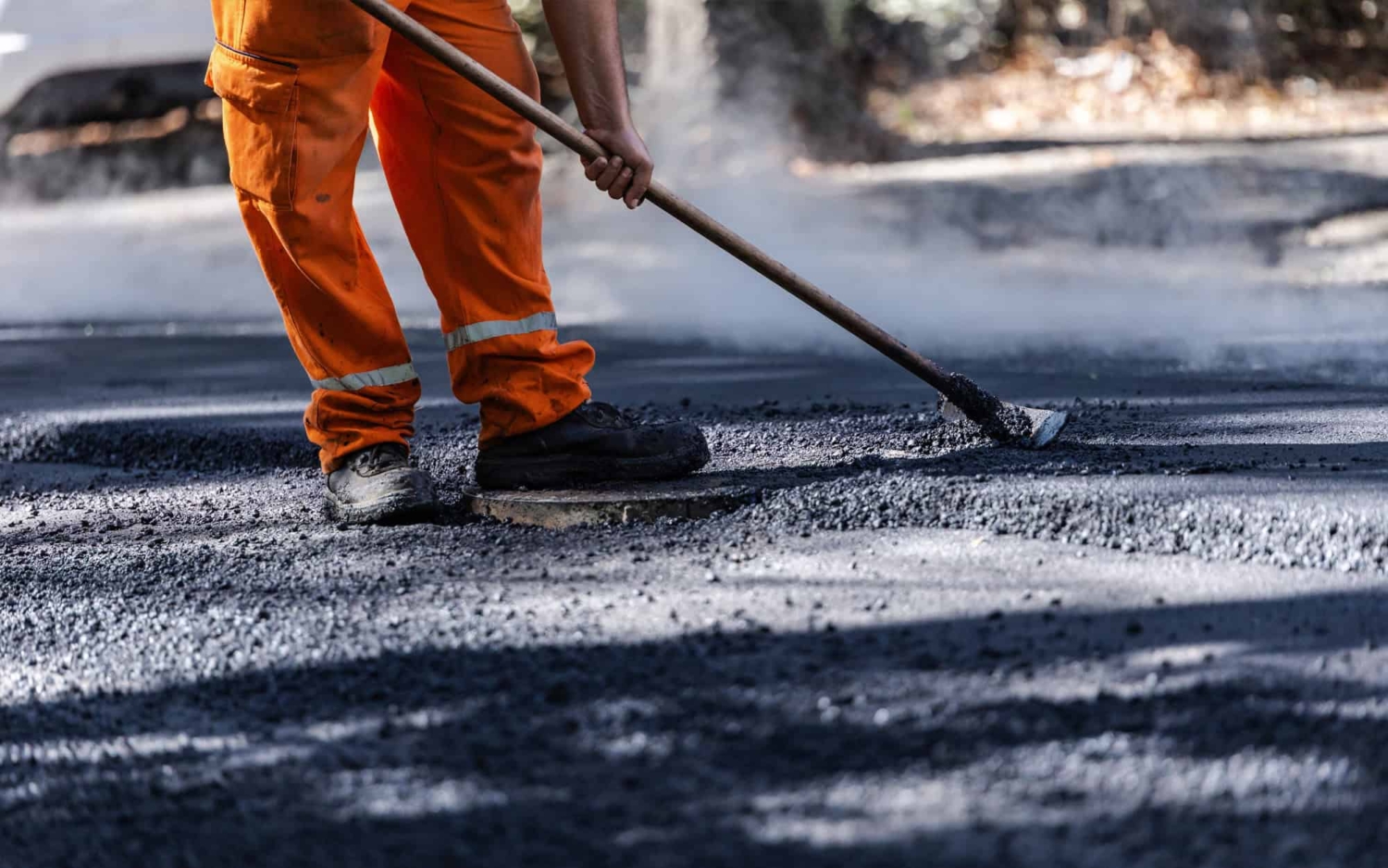
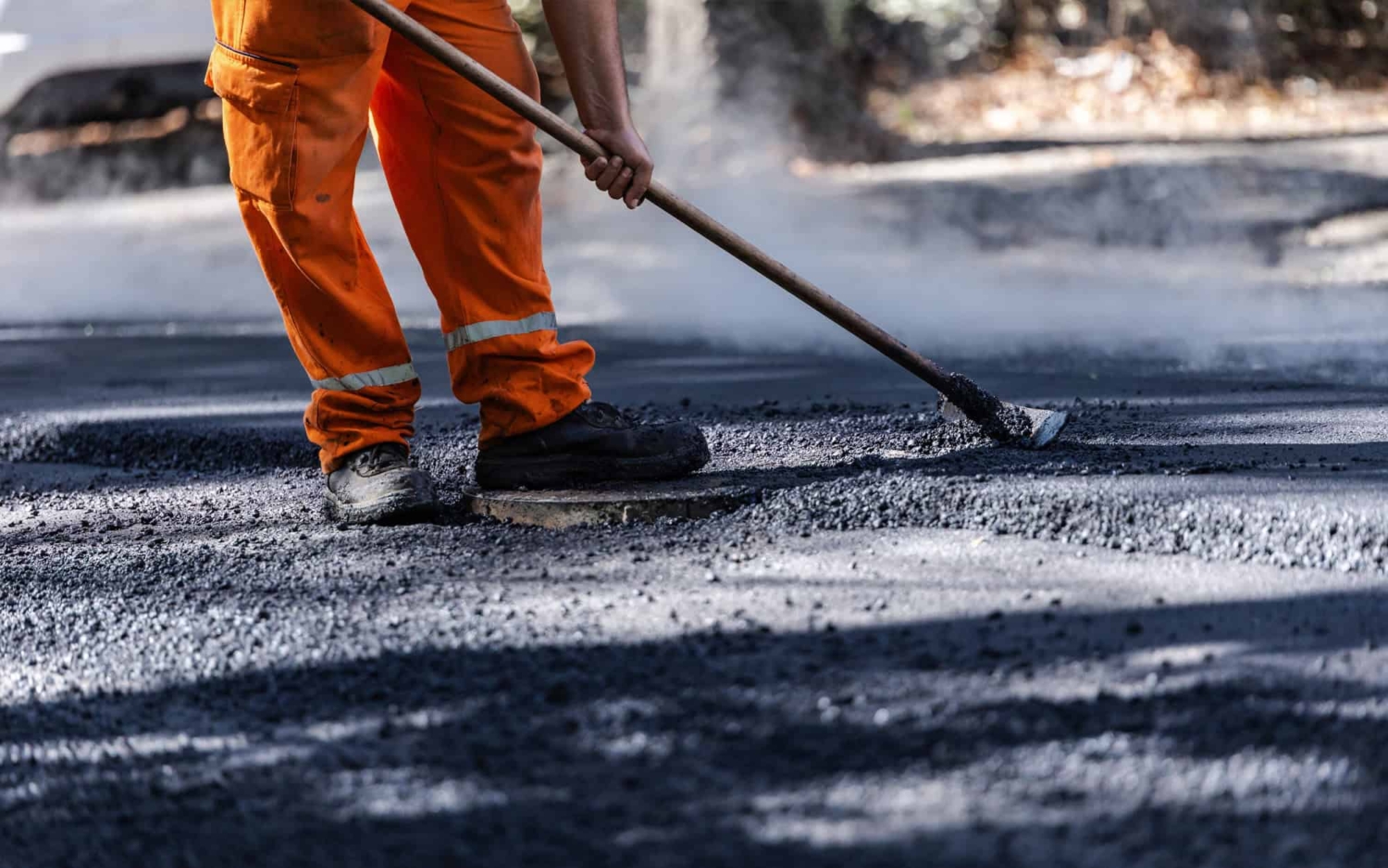
 If you’re in the market for a paving contractor, knowing the basics about hot mix, warm mix, and cold mix asphalt can help you ask the right questions and ensure that your project is completed with the most suitable materials.
Making the Right Choice for Long-Lasting, High-Quality Pavement
When planning a paving project, whether it’s a new driveway, a parking lot resurfacing, or a roadway installation, it’s easy to assume that all asphalt is the same. However, the type of asphalt mix used can significantly impact the longevity, performance, and cost-effectiveness of your project.
Choosing the right mix is not just about durability—it also determines how well your pavement holds up under traffic, fluctuating weather conditions, and daily wear and tear. Different asphalt types are designed for different conditions, and understanding these differences can help you make an informed decision.
Why the Right Asphalt Mix Matters
The asphalt mix used for your project plays a crucial role in:
- Durability: Choosing the correct mix ensures your pavement remains structurally sound for as long as possible.
- Weather Resistance: Some mixes perform better in extreme heat or cold, while others are more suited for wet conditions.
- Traffic Load Handling: High-traffic areas need an asphalt mix that can withstand heavy vehicle loads without rapid deterioration.
- Cost-Effectiveness: The best mix balances upfront costs with long-term maintenance savings.
The wrong choice can result in cracking, potholes, poor drainage, and early pavement failure, leading to costly repairs or even a full resurfacing sooner than expected.
Breaking Down the Three Main Asphalt Mixes
Not all asphalt is created equal. Depending on the project, climate, and traffic conditions, different asphalt mixes provide different levels of durability, flexibility, and efficiency. The three primary types of asphalt mixes are hot mix asphalt (HMA), warm mix asphalt (WMA), and cold mix asphalt. Each serves a specific purpose, from long-lasting roadways and parking lots to quick, temporary repairs. Below, we’ll take a closer look at each type and when it’s the best option for your paving needs.
Hot Mix Asphalt (HMA): The Industry Standard for Durability
Hot Mix Asphalt (HMA) is the most widely used asphalt type for high-traffic roads, commercial parking lots, and residential driveways. Produced at high temperatures between 300–350°F, this mix remains pliable during installation, allowing it to be compacted tightly for a strong, durable surface. Once it cools, it forms a solid pavement that can handle extreme weather conditions and heavy loads.
When to Use Hot Mix Asphalt
If you need a new parking lot, a durable road surface, or a driveway that can withstand frequent use, HMA is likely the best choice. Its strength and smooth finish make it ideal for major roads, high-traffic commercial properties, and areas subject to heavy vehicle loads.
Key Benefits of HMA
- Highly Durable: Designed to withstand frequent traffic, weight pressure, and extreme temperatures, making it one of the longest-lasting asphalt options.
- Weather Resistant: Holds up well against Kansas City’s fluctuating seasons, from scorching summers to freezing winters.
- Smooth, Clean Finish: Provides a polished look that enhances the appearance and functionality of any paved surface.
Considerations for HMA
Despite its durability, HMA must be applied in warm, dry conditions to ensure proper installation. Cold temperatures can cause it to cool too quickly, making it difficult to work with during winter months. Additionally, HMA requires more energy to produce, which can result in higher upfront costs compared to other options.
Warm Mix Asphalt (WMA): A Sustainable, Energy-Efficient Alternative
Warm Mix Asphalt (WMA) is similar to HMA but produced at lower temperatures, typically between 200–250°F. By reducing heat requirements, WMA lowers fuel consumption and emissions, making it a more environmentally friendly option. Additionally, it stays pliable longer, which allows for extended transport times and greater flexibility during installation.
When to Use Warm Mix Asphalt
WMA is a great choice for projects where reducing environmental impact is a priority, as well as for areas that experience cooler temperatures during paving season. Because it remains workable longer, it’s also useful for projects that require asphalt to be transported over longer distances before installation.
Key Benefits of WMA
- More Sustainable: Reduces fuel use and lowers greenhouse gas emissions, making it an eco-friendly alternative to HMA.
- Extended Workability: Can be installed in cooler temperatures, providing greater flexibility in scheduling projects.
- Cost Savings Over Time: While initial material costs may be slightly higher, lower energy requirements can help offset expenses.
[/av_textblock]
[/av_one_full]
Considerations for WMA
While WMA offers many benefits, not all paving contractors offer it due to the specialized additives required to produce it. Additionally, it may have a slightly higher upfront cost than HMA. However, for those looking for an energy-efficient solution without sacrificing durability, WMA is a strong option.
Cold Mix Asphalt: The Quick-Fix Solution
Cold-mix asphalt is designed for fast, temporary repairs and does not require high temperatures for installation. Unlike HMA and WMA, cold-mix can be applied in wet or freezing conditions, making it ideal for pothole patching and emergency road repairs during the winter months.
When to Use Cold Mix Asphalt
Cold mix is best for short-term fixes, such as filling potholes or patching damaged surfaces. It’s commonly used for temporary repairs until a permanent resurfacing project can be scheduled.
[/av_textblock]
[/av_one_full]
Key Benefits of Cold Mix Asphalt
- Can Be Applied in Any Weather: Unlike hot or warm mix, cold mix can be laid in wet, freezing, or extreme conditions.
- Quick and Cost-Effective: Doesn’t require special heating equipment, making it a fast and budget-friendly repair option.
- Flexible and Adaptable: Adjusts to minor surface movements and helps prevent further damage until a permanent fix can be applied.
Considerations for Cold Mix Asphalt
Cold mix is not designed for long-term durability. It’s a temporary solution that won’t hold up under heavy traffic or extreme wear. If a permanent fix is needed, hot or warm mix asphalt is the better choice.
How to Choose the Right Asphalt Mix for Your Project
With multiple asphalt mix options available, selecting the best one depends on your specific project needs. A paving contractor will assess factors like weather conditions, traffic volume, and surface longevity to determine the best fit.
- If you need a strong, long-lasting surface for a commercial lot, road, or high-traffic area, hot mix asphalt is the best choice.
- If sustainability is a concern or you need flexibility for cooler weather paving, warm mix asphalt provides an energy-efficient alternative.
- If you need a fast repair solution for potholes or minor damage, cold mix asphalt is a reliable temporary fix.
Choosing the right asphalt mix is essential for long-term durability and cost savings. Phillips Paving specializes in customized asphalt solutions for residential, commercial, and industrial projects. Contact Us
Additional Factors to Consider When Choosing Asphalt
Here are some more factors you need to keep in mind when choosing an asphalt mix for your project:
Climate & Weather Conditions
Different asphalt mixes perform better in specific temperatures and weather conditions. Hot mix works best in warm, dry weather, while warm mix can be applied in cooler conditions. Cold mix is the only asphalt type that can be installed in freezing temperatures.
Traffic Volume & Load
Heavy traffic requires a thicker, more durable asphalt mix. Roads, parking lots, and industrial asphalt mix is designed to handle the expected load, while residential driveways may use a lighter mix to reduce costs.
Budget & Long-Term Value
While HMA is the most durable and widely used, WMA offers environmental benefits and long-term energy savings. Cold mix, though inexpensive, is not a permanent solution and requires frequent reapplications.
Get a Free Quote for Your Asphalt Paving Project
If you’re considering an asphalt paving project, Phillips Paving is here to help. With over 30 years of experience in Kansas City, we provide expert guidance and high-quality paving solutions for residential, commercial, and industrial properties. Contact us today to discuss your project and receive a free, no-obligation quote!