
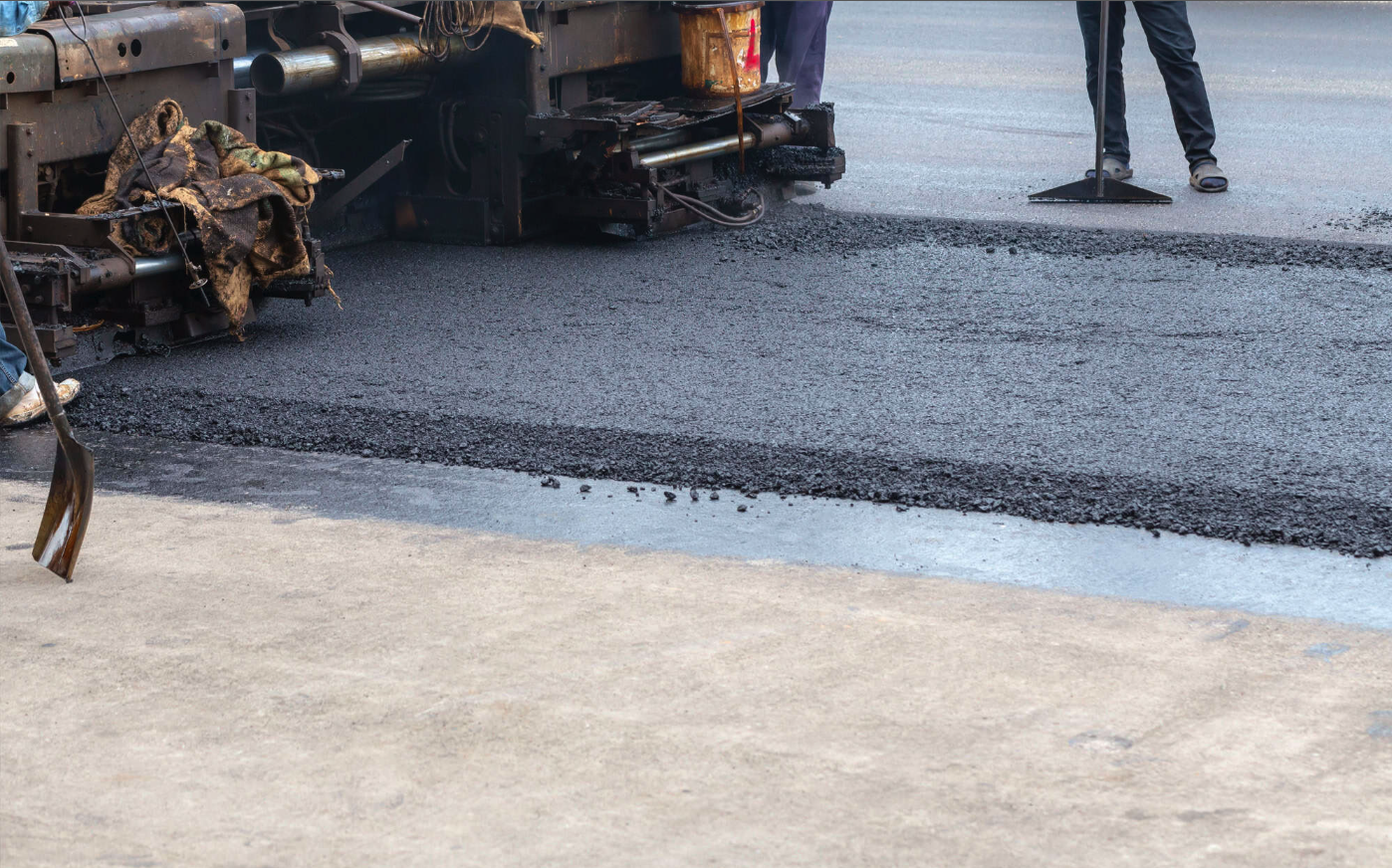
 Asphalt resurfacing isn’t just about laying down a new layer of pavement—it’s about timing. Warmer weather can help give you smoother, more durable results, especially when it comes to asphalt. But many people don’t realize just how much the temperature and humidity can affect their project’s longevity.
Let’s examine why waiting for spring or summer could be the smartest move for your pavement.
How Weather Affects Asphalt Resurfacing
Weather can make or break an asphalt project. That’s because asphalt is a petroleum-based material that relies on proper temperatures to fuse together and cure. When the weather is too cold, the asphalt mixture won’t settle and bond as well. If it’s too wet or humid, extra moisture can seep into the pavement layers, weakening the bond before it even gets a chance to set.
If you’ve ever seen asphalt with tiny cracks or uneven patches, there’s a good chance weather played a role in that outcome. Excessive rainfall, fluctuating temperatures, or even prolonged dampness can create less-than-ideal conditions. By contrast, when the weather is warm and stable (like it tends to be in spring and summer), the asphalt remains pliable enough to ensure a strong bond. You’re essentially giving it the “sweet spot” it needs to fully cure, which helps prevent premature damage.
Pavement curing is a chemical process, and just like any reaction, it depends on the right environment. During warmer months, you can expect faster curing times, fewer delays, and generally better results. You’ll also have fewer disruptions caused by weather-related stoppages, which can save you both time and money.
Understanding Spring: A Fresh Start for Your Pavement
Early to late spring often brings mild temperatures and moderate rainfall—conditions that tend to be perfect for asphalt resurfacing. In many regions, the big freeze-thaw cycle is behind you, which means fewer surprises lurking beneath the pavement. By the time spring hits, roads and driveways that have weathered harsh winters may be showing cracks or potholes that need attention.
In spring, outdoor temperatures usually stay warm enough to help asphalt cure effectively but aren’t so hot as to cause accelerated drying that can sometimes make the surface brittle. That sweet spot in temperature encourages a slower, steadier cure. A thorough cure sets the stage for longer-lasting pavement that won’t start cracking as soon as the next temperature swing hits.
Another benefit of springtime resurfacing is the timing for your future maintenance. Getting work done in the spring means you’ll likely have all summer and fall to monitor your new surface, address any minor concerns right away, and keep it in prime condition. Whether you’re resurfacing a driveway, parking lot, or small private road, taking care of it early in the year means fewer hassles when peak travel season arrives.
Examining Summer: Taking Advantage of Peak Temperatures
Summer can be the peak season for asphalt resurfacing for a reason. With consistently warm or even hot weather, asphalt remains more malleable, which means it compacts well and forms a smooth, uniform surface. In many areas, summer is also drier, so you’re less likely to have rain delays or worry about moisture weakening the new layer of pavement.
The high temperatures of summer actually help speed up the chemical bonding process within the asphalt mix, allowing it to set quickly without a drop in quality. This quick turnaround can be especially helpful if you’re resurfacing a parking lot or busy driveway, where downtime can be a major headache. When the asphalt cures faster, it can typically be driven on sooner, reducing disruptions to everyday life.
That said, the summer season in asphalt resurfacing can also be busy for contractors because so many people schedule their projects during these months. Planning ahead for your summer asphalt resurfacing project is key. If you wait until mid-July or August to call, you might face scheduling delays. Even so, once the team arrives on-site, you can trust that the warm conditions will help create an ideal environment for your new asphalt surface.
Ready to schedule your asphalt resurfacing project? Explore our asphalt services to learn how Phillips Paving Company can help you secure a smooth, long-lasting surface. Don’t wait—let’s get started now. Contact Us
Breaking Down The Challenges of Winter Resurfacing
While it’s possible to resurface asphalt in the colder months, winter weather effects on asphalt often come with more risks. When temperatures dip below a certain point, the asphalt mix can cool too quickly before it has a chance to bond properly with the existing surface. That translates to a higher likelihood of cracks, uneven surfaces, or layers that don’t fuse together as intended.
Another factor to consider is precipitation. Snow, ice, and even freezing rain can create slippery or damp conditions that interfere with the asphalt’s ability to adhere. Winter weather can also prolong the curing process, meaning the project might take longer and cost more in labor or materials. In some cases, you may even have to add chemical additives to the asphalt or keep the area heated to achieve passable results, which can drive up costs and complexities.
Additionally, winter brings shorter daylight hours, cutting into the window of time you can effectively work on a project. Crews have to hustle to make the most of each day, which might mean juggling multiple steps under tighter constraints. All of this can add stress and potentially impact the quality of the finished product. That’s why most professionals typically recommend waiting until the conditions warm up before taking on major resurfacing work.
Planning Ahead for a Smooth Asphalt Resurfacing Project
A big part of getting great results is planning. Whether you’re eyeing a spring or summer project, start gathering quotes and researching contractors as early as possible. This ensures you can get on their schedule at a time that works best for you—and lines up with optimal weather conditions. If you wait until the last minute, you risk missing the window for the best weather or getting stuck with a rushed job.
Local climate considerations matter as well. In some areas, late spring storms might bring heavy rain, so it’s wise to keep an eye on weather forecasts. In other regions, scorching summer days might cause asphalt to dry a bit faster than expected—though that typically isn’t a big drawback. By talking with a paving professional, you can figure out the best time frame based on your location’s typical weather patterns.
Don’t forget the practical details, like having your driveway or parking lot cleared and ready to go. Make sure you’ve budgeted not only for the resurfacing itself but also for any unexpected issues that might pop up, such as underlying damage that needs repair before the new layer goes down. Consider talking with your contractor about ongoing asphalt maintenance tips too. Regular sealing and minor repairs can help your freshly resurfaced pavement stay in peak condition, even when the seasons change again.
Refresh Your Asphalt With the Pros
When you’re ready to refresh your asphalt surfaces under ideal weather conditions, reach out to Phillips Paving Company. We’ll walk you through the entire process—from picking the perfect season for asphalt resurfacing to planning the final touches that keep your pavement looking brand new.
Our team is here to make sure your resurfacing project goes smoothly and stands up to the elements, giving you a durable surface you can rely on for years to come.