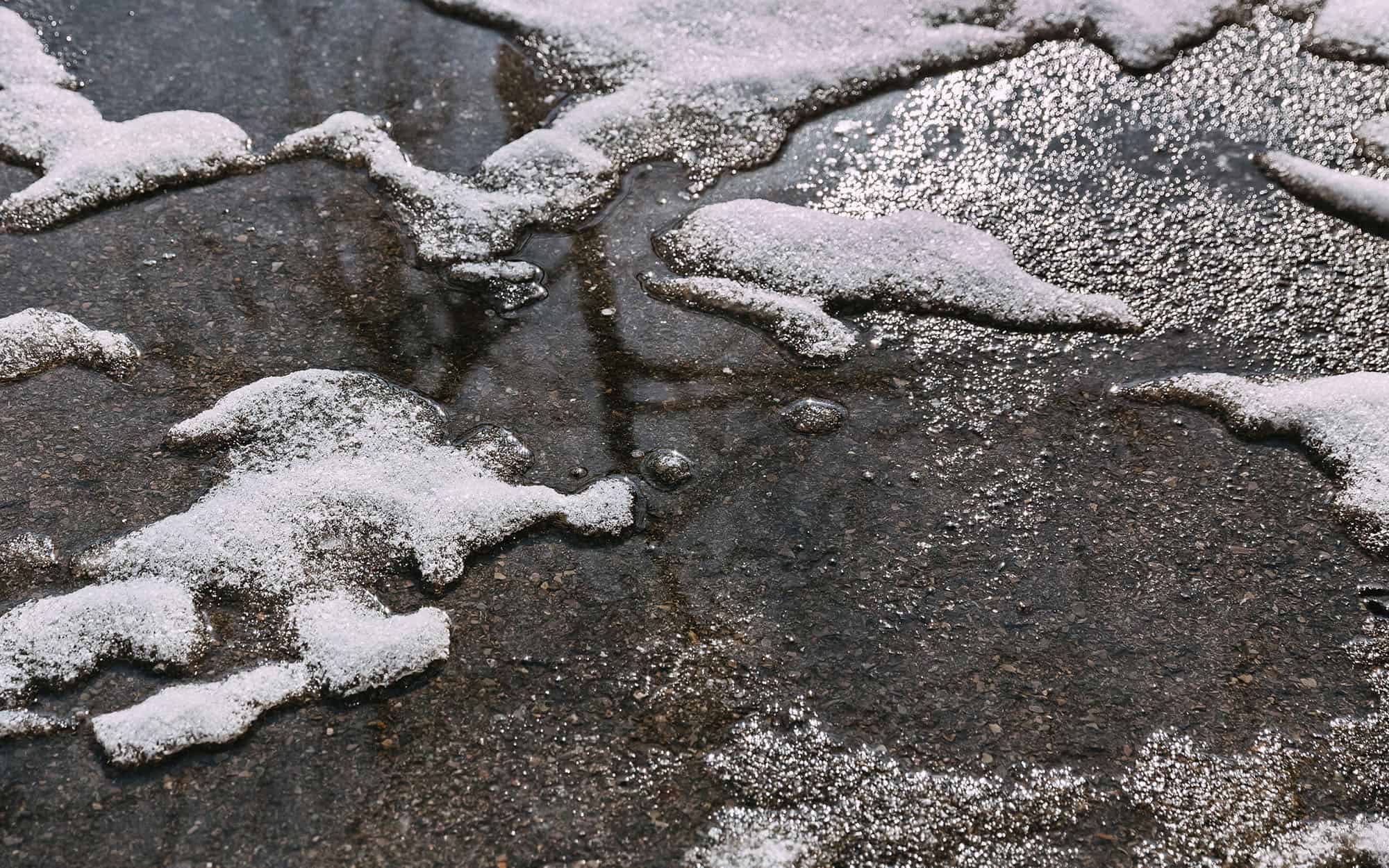
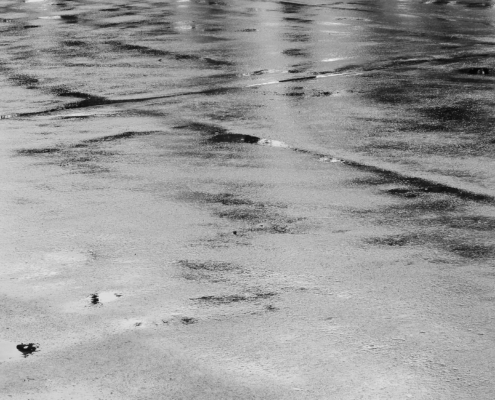
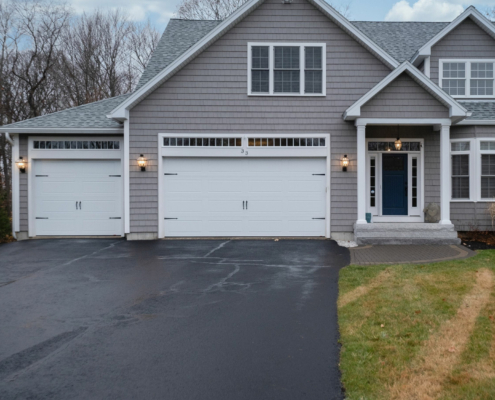
Asphalt expands and contracts with temperature changes. In winter, when snow and ice melt and refreeze, moisture can seep into small cracks and freeze overnight. This is called the freeze-thaw cycle, and it’s one of the biggest threats to your winter driveway’s integrity.
When water freezes, it expands. That expansion puts pressure on the asphalt, widening cracks and weakening the surface. Repeated freeze-thaw cycles cause long-term deterioration and eventually lead to potholes or sinking areas.
You may not notice this damage right away, but once spring arrives, it becomes obvious. Hairline cracks grow larger, edges crumble, and the once-smooth surface starts to look rough and uneven.
Before winter ends, it’s important to understand the damage snow and ice can cause. Below are the most common types of winter driveway damage and how to spot them early.