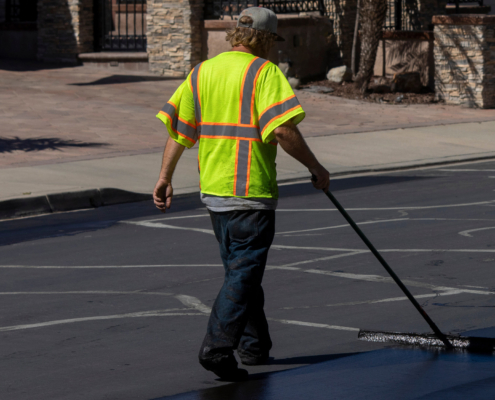
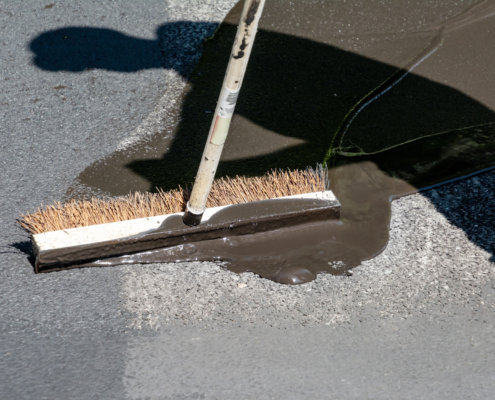
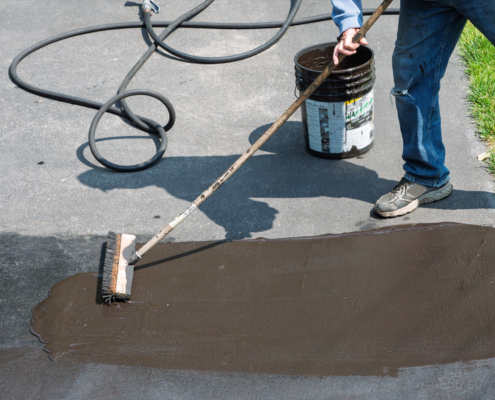
This is why spring is one of the most important seasons for asphalt sealcoating. When applied at the right time, it can significantly extend the life of asphalt surfaces while preventing small issues from turning into costly repairs.
What Asphalt Sealcoating Does for Your Pavement
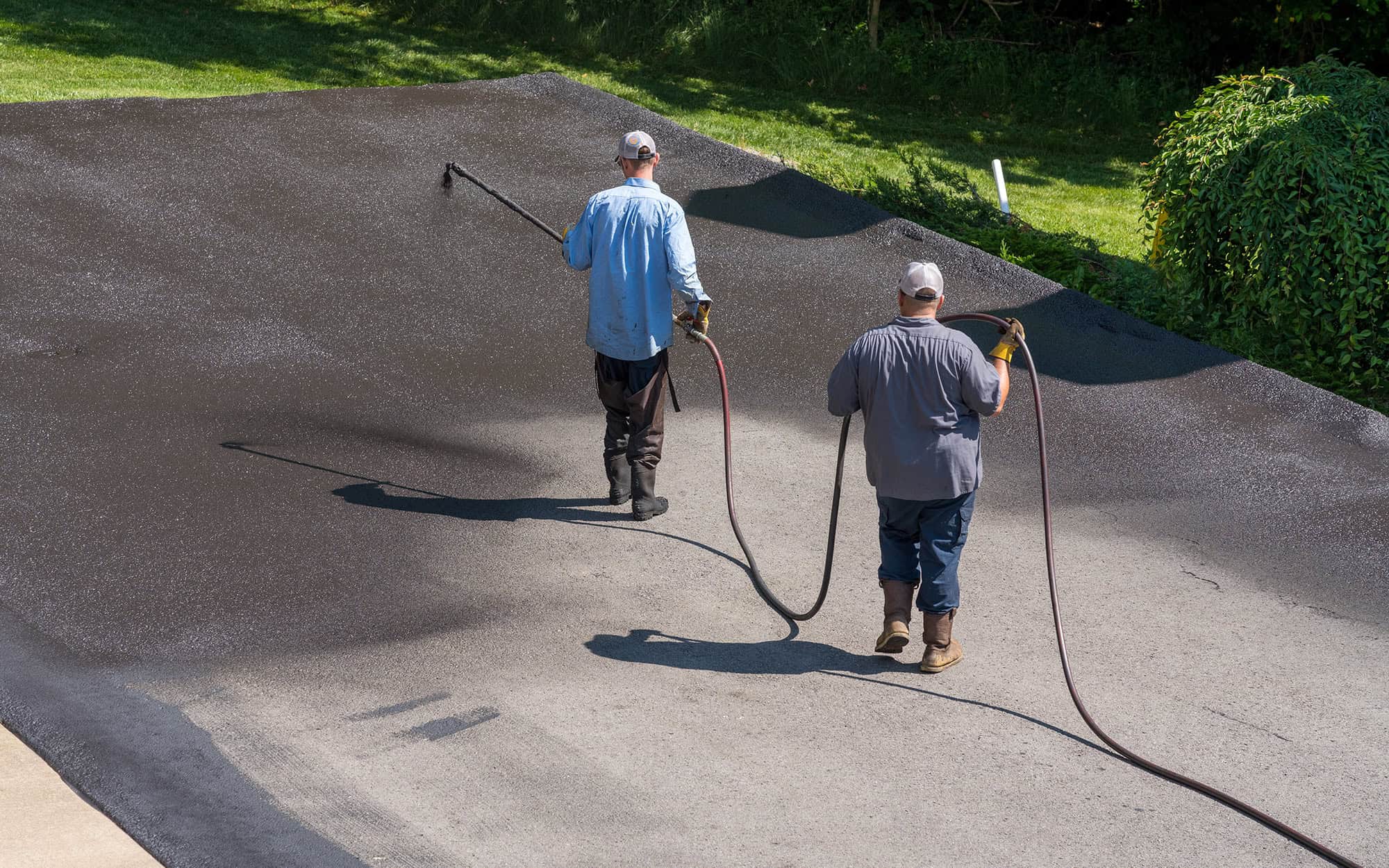
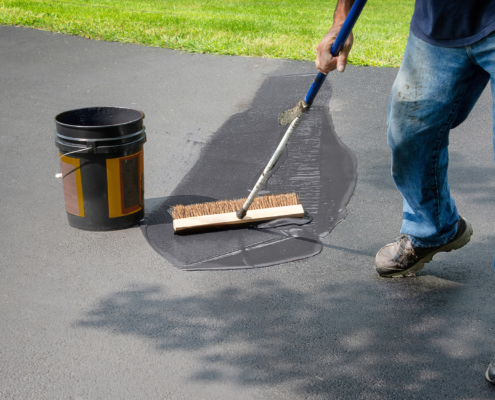
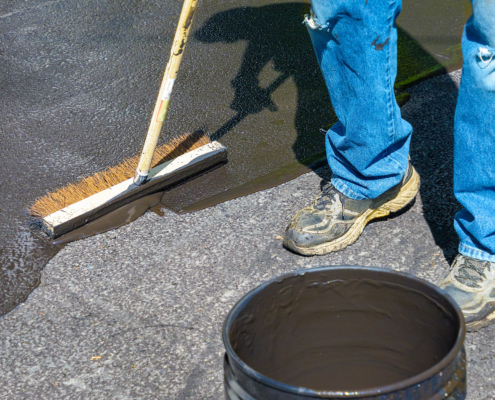
Asphalt sealcoating is a protective treatment applied to the surface of asphalt pavement. The sealcoat layer acts as a barrier that helps protect the underlying asphalt from environmental damage, oxidation, and water penetration. Sealcoating slows deterioration and helps maintain the structural integrity of the pavement.
One of the most important sealcoating benefits is its ability to preserve the oils and binders within asphalt that keep the material flexible. When asphalt loses these natural oils, it becomes dry and fragile, which can lead to surface cracks and eventual pavement failure. By adding a protective layer through asphalt sealcoating, property owners can reduce exposure to harmful elements and maintain smoother surfaces for longer.
Sealcoating is also a key component of routine asphalt maintenance. Regular maintenance helps property owners avoid expensive repairs or full pavement replacement by addressing wear early. With proper planning and a consistent maintenance strategy, asphalt surfaces can remain durable and visually appealing for many years.
Why Winter Weather Damages Asphalt Surfaces
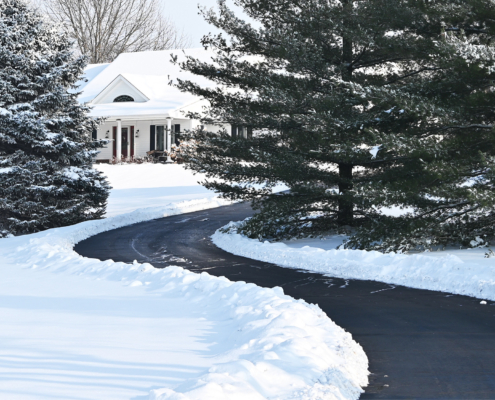
Winter weather introduces several factors that accelerate pavement deterioration. Even well-constructed asphalt surfaces can experience damage when exposed to repeated freezing temperatures and heavy moisture.
Several conditions contribute to pavement wear during the winter months:
- Freeze-thaw cycles cause moisture trapped in small cracks to expand as it freezes, widening existing cracks.
- Snowplow activity can scrape and wear down the protective surface of asphalt pavement.
- Deicing salts and chemicals gradually break down the asphalt binder and weaken the pavement structure.
- Moisture penetration increases the likelihood of cracking and surface deterioration.
- Heavy traffic during harsh conditions places additional stress on already weakened pavement surfaces.
These factors often become visible once snow melts and warmer weather returns. Property owners may notice fading surfaces, small cracks, or rough areas that developed over the winter. Spring asphalt sealcoating helps restore protection to the pavement and prevent further deterioration.
Why Spring Is One of the Best Times for Asphalt Sealcoating
Spring offers ideal conditions for scheduling asphalt sealcoating because temperatures begin to stabilize and pavement surfaces are easier to inspect after winter damage. Addressing pavement wear early in the season helps prevent issues from worsening during the hotter summer months.
Ideal Temperatures for Proper Curing
Sealcoating requires consistent temperatures for proper curing. Most sealcoating materials perform best when applied in temperatures above 50 degrees with limited moisture. Spring weather often provides these conditions, allowing sealcoating to cure evenly and form a strong protective barrier.
Applying asphalt sealcoating under appropriate weather conditions helps ensure the coating bonds properly to the pavement surface and performs effectively over time.
Post-Winter Damage Is Easier to Identify
Spring also allows property owners to clearly see the effects of winter damage. Cracks, fading surfaces, and minor deterioration become visible once snow and ice have cleared. Addressing these issues with sealcoating early in the year helps stop damage before it spreads.
Incorporating sealcoating into a spring maintenance plan ensures pavement receives protection before heavy summer traffic and intense sunlight begin to affect the surface.
Preventing Damage During Warmer Months
As temperatures rise, asphalt becomes more vulnerable to oxidation and UV damage. Sealcoating in spring creates a protective layer that shields pavement from summer heat and daily wear. This preventative approach supports long-term durability and reduces the likelihood of larger repairs later in the year.
Signs Your Pavement Needs Asphalt Sealcoating
Many property owners are unsure when to schedule asphalt sealcoating. Fortunately, several visible indicators suggest that pavement is ready for maintenance. Identifying these signs early allows property owners to take action before small issues develop into larger structural problems.
Common indicators that pavement may need sealcoating include:
- Fading color, where asphalt shifts from deep black to a dull gray tone
- Small surface cracks beginning to form across the pavement
- Brittle or dry-looking asphalt caused by oxidation and UV exposure
- Minor surface wear in areas with heavy vehicle traffic
- Water pooling or slow drainage, which may indicate surface deterioration
Recognizing these warning signs early makes it easier to maintain a consistent pavement care plan. Routine asphalt sealcoating helps restore protection to the surface while improving the appearance of driveways and parking lots.