
Resurfacing Home Value: How Asphalt Upgrades Help Home Sellers
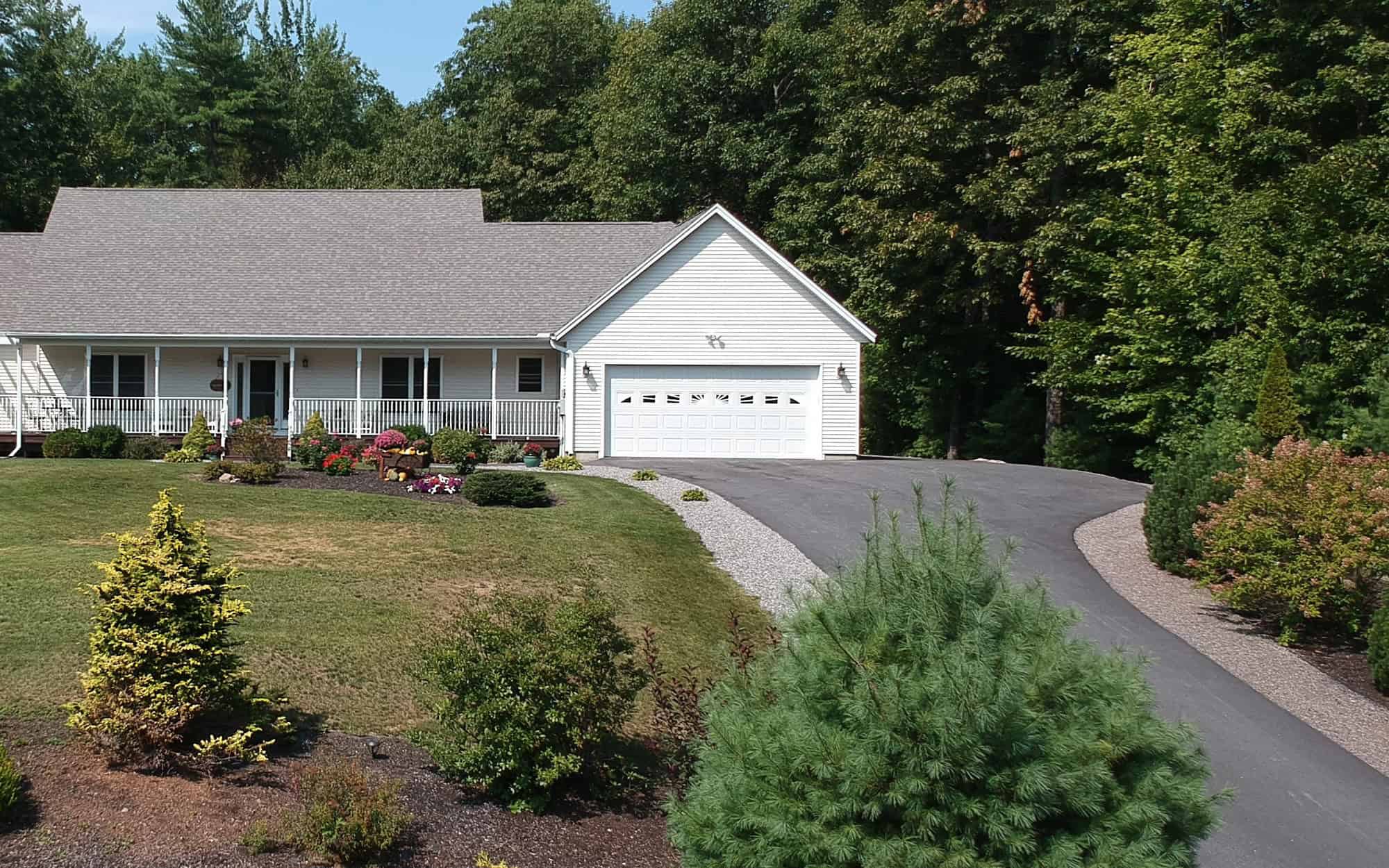
First impressions matter when you’re preparing to sell. Your driveway plays a bigger role than you might realize in shaping buyer perception. Cracks, stains, and fading can make a property seem neglected, even if the interior is pristine. A smooth, freshly finished surface tells buyers the home has been well cared for. Resurfacing home value through asphalt improvements is one of the most cost-effective ways to boost curb appeal, impress buyers, and increase your home’s overall marketability.
Why Curb Appeal Influences Buyer Decisions
Curb appeal is often the deciding factor when buyers tour a home. Your driveway frames the property and sets expectations before anyone walks through the front door. A driveway in great condition signals proper maintenance and reassures buyers that the home is worth its asking price.
In today’s real estate market, strong curb appeal is just as important online. High-quality listing photos featuring a freshly resurfaced driveway encourage more views, drive up showing requests, and often lead to faster, stronger offers.
“How Resurfacing Enhances Property Value
Asphalt resurfacing is a budget-friendly project that delivers a high return. While a full driveway replacement can be costly, resurfacing creates a like-new appearance without breaking the bank. Buyers are drawn to homes that feel updated and move-in ready, and a clean, polished driveway accomplishes exactly that.
Resurfacing hides cracks, restores uniform color, and smooths imperfections, all of which make your property look newer and better maintained. This visual transformation plays a significant role in boosting the resurfacing home value and making your property stand out in competitive markets.
Signs Your Driveway Needs Resurfacing Before Selling
Before listing your home, evaluate whether your driveway enhances or hurts its presentation. Here are key indicators that resurfacing could boost your property’s appeal:
- Cracks or Surface Damage: Even small cracks suggest neglect and can lower perceived value.
- Potholes or Uneven Spots: Safety hazards like dips or breaks can turn away potential buyers.
- Faded, Patchy Coloring: A dull or weathered surface makes the property feel less inviting.
- Water Pooling Issues: Standing water may signal hidden foundation problems to cautious buyers.
Fixing these issues ensures your driveway complements your home rather than distracts from it during showings.
Resurfacing vs. Replacement: Which Option Maximizes ROI
Homeowners often wonder whether resurfacing is enough to impress buyers or if full replacement is necessary. In many cases, resurfacing provides the ideal balance of cost-effectiveness and visual impact.
Resurfacing Works Best When
- The base structure is stable.
- Cracks and imperfections are mostly cosmetic.
- Your main goal is to enhance curb appeal affordably.
Replacement Is Necessary When
- There are deep foundational cracks.
- Drainage problems threaten long-term durability.
- The surface is extensively deteriorated.
Choosing the right approach helps you make a smarter investment while maximizing overall resurfacing home value.
How Much Value Resurfacing Can Add
Exterior updates consistently deliver high returns. On average, resurfacing can help increase a home’s perceived value by 5% to 10%. For a property valued at $400,000, that could translate into an additional $20,000 to $40,000 in offers. Considering the relatively low cost of resurfacing, the payoff can be significant.
Buyers also feel more confident in making competitive offers when they know they won’t face immediate repair costs, which further enhances your property’s home value potential.
Why Buyers Prefer Resurfaced Driveways
A driveway upgrade does more than improve aesthetics; it builds buyer confidence. Resurfacing signals consistent property care, which encourages trust. Buyers often assume that if you’ve invested in visible maintenance, the rest of the home has been well maintained, too.
Additionally, a newly resurfaced driveway offers safety and usability benefits. Families with kids, seniors, or frequent guests value the peace of mind that comes with a smooth, hazard-free surface.
Boost Resurfacing Home Value with Phillips Paving professional asphalt resurfacing that boosts resurfacing home value, improves curb appeal, and helps properties sell faster. Contact Us Today.
Driveway Safety: An Overlooked Selling Advantage
Safety plays a surprisingly big role in attracting buyers. Uneven surfaces, loose gravel, and potholes can raise concerns about liability and ongoing maintenance costs. Resurfacing smooths out the surface, reduces risks, and creates a safe environment for children, guests, and older adults alike. Buyers are more likely to view the property positively when they know the driveway won’t cause accidents or require immediate repairs.
A smooth, hazard-free surface also signals that the home has been well-maintained, which builds trust and confidence in the overall condition of the property. Highlighting the safety benefits of your resurfaced driveway during showings can further distinguish your property from similar listings and position it as a smart, worry-free investment.
Preparing for Professional Resurfacing
Here’s how to prepare your home and driveway for a smooth resurfacing process:
- Get a Professional Assessment: An expert will determine if resurfacing or replacement is best.
- Clear the Space: Remove cars, toys, and clutter before the work begins.
- Repair Underlying Issues: Address drainage or deep structural problems to protect your investment.
- Plan for Drying Time: Most projects finish within one to two days, but allow time for curing before parking vehicles.
Preparation ensures a flawless finish that instantly boosts curb appeal and strengthens resurfacing home value for your property.
Budgeting for Asphalt Resurfacing Before Selling
Resurfacing costs depend on driveway size and condition. Compared to other home improvement projects, it’s one of the most affordable ways to significantly impact resale value.
Think of it like staging: you’re creating a polished, move-in-ready property that commands stronger offers. Given its affordability and effectiveness, resurfacing remains one of the smartest strategies for enhancing resurfacing home value while staying within budget.
A Final Investment That Pays Off With Phillips Paving
Your driveway sets the tone for your entire property. Working with Phillips Paving ensures your resurfacing project achieves maximum curb appeal, increased property value, and a safer, more inviting home exterior. Our expert team provides quality results that help you sell faster and secure the best possible return. Contact us today to schedule your free consultation.
Resurfacing Maintenance: The Complete Guide to Asphalt Driveway Care
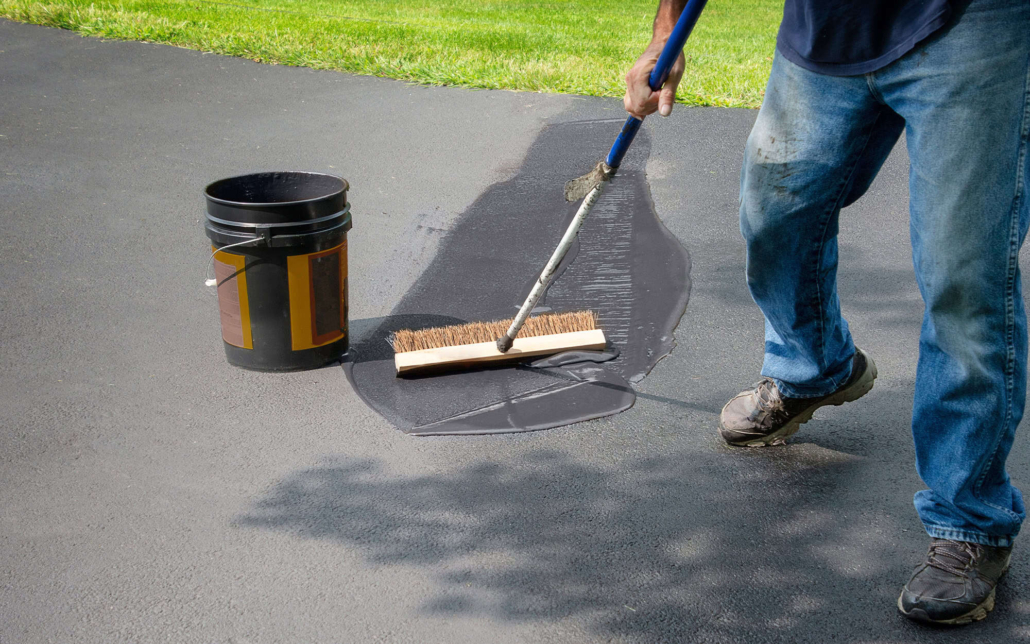 A newly resurfaced asphalt driveway not only boosts curb appeal, but it also adds safety, functionality, and value to your home. But that fresh, smooth surface doesn’t stay perfect forever. To keep your investment looking and performing its best, you need a solid resurfacing maintenance plan. This guide walks homeowners through exactly what steps to take, when to take them, and why they matter.
Why Post-Resurfacing Maintenance Is So Important
Once the resurfacing is done, your job as a homeowner isn’t over. Asphalt is durable, but it still needs routine care to stay in good condition. Without maintenance, small cracks can form, water can seep in, and your smooth surface can wear down faster than it should.
Proactive resurfacing maintenance helps avoid costly repairs, extends the life of your driveway, and preserves the clean, uniform look that resurfacing delivers. Think of it as protecting your investment with a little time and effort each season.
Initial Curing Period: What to Do Right After Resurfacing
Your driveway is especially vulnerable right after resurfacing. The asphalt needs time to cure and harden. Avoid parking or placing heavy objects on the surface for at least 24 to 48 hours. During this time, keep foot traffic minimal and avoid turning vehicle wheels sharply when backing out.
If temperatures are especially hot, consider rinsing the surface with water to keep it cool. This helps prevent soft spots and scuffing.
How Soon Should You Seal Your Resurfaced Driveway?
Sealcoating protects your asphalt from UV rays, moisture, oil, and daily wear. But applying it too early can trap oils in the asphalt and reduce performance.
Wait about 90 days after resurfacing before applying sealant. This allows the surface to fully cure. After the first sealcoat, continue to reseal every 2 to 3 years depending on weather exposure and driveway use.
Regular sealcoating is one of the best ways to extend your resurfacing investment, locking in that fresh, smooth finish for the long term.
Cleaning Tips to Keep Your Driveway Looking Fresh
Simple cleaning makes a big difference in your driveway’s appearance and longevity. Here are some easy tips for routine maintenance:
- Sweep regularly to remove leaves, dirt, and debris.
- Hose off spills such as oil or chemicals as soon as possible.
- Pressure wash the surface annually to remove grime and algae.
Avoid using harsh chemicals or degreasers that can break down asphalt. Stick to mild soap and water when cleaning.
Inspecting for Damage and Taking Action Early
Set aside time every spring and fall to inspect your driveway. Look for small cracks, low spots where water pools, or areas that appear discolored or brittle.
If you find cracks, clean them out and use an asphalt crack filler. The sooner you seal small imperfections, the less likely they are to expand and require costly repairs.
Driveways in colder climates should also be checked after winter for frost damage or salt wear. Staying ahead of issues keeps your resurfacing maintenance plan on track.
Drainage and Runoff: Why It Matters for Long-Term Performance
Water is one of asphalt’s worst enemies. Poor drainage leads to erosion under the surface, which eventually causes cracks and potholes.
Ensure water flows off your driveway and away from your home’s foundation. Keep gutters clear and watch for any low spots that collect rain. Resurfaced driveways are often graded for proper runoff, but shifts in soil or landscaping changes can alter flow over time.
Snow and Ice Removal Without Damaging the Surface
Winter weather requires special care. Use a plastic shovel instead of metal to avoid scratching the surface. If you use a snow blower, raise the blade slightly off the asphalt.
For de-icing, stick to calcium chloride over traditional rock salt. It’s gentler on asphalt and won’t break down the resurfaced layer. Use it sparingly, and sweep away excess after snow melts.
The Role of Edge Maintenance in Surface Longevity
Driveway edges are often the first place to crack or crumble, especially if they lack support. Avoid parking with tires near the edge, and consider adding soil or gravel to reinforce these areas.
Resurfacing gives edges a clean look, but without support, they can degrade faster than the rest of the driveway. Include edge inspection as part of your regular resurfacing maintenance routine.
Spring Maintenance Tips
Spring is the perfect time to assess your driveway after the wear and tear of winter. Start by inspecting for any cracks caused by freezing temperatures or salt damage from de-icing efforts. Cleaning the surface and checking that water drains properly helps prevent future erosion. Filling small cracks early keeps them from spreading into more serious issues that could compromise the resurfacing work.
Summer Maintenance Tips
The warmer months are ideal for performing preventive tasks that extend your driveway’s life. If your last sealcoating was more than two years ago, summer is a great time to reapply it. Regular sweeping keeps sand and dirt from collecting, which can weaken the surface over time. During extreme heat, rinsing the driveway can help reduce softening and prevent scuffing from vehicle tires.
Fall Maintenance Tips
As leaves begin to fall, it’s essential to stay on top of seasonal debris. Remove organic material quickly to avoid stains and preserve the finish of your asphalt. This is also the time to wash off oil stains before cold weather sets in. Inspect the edges and seal any cracks to keep moisture from freezing and expanding in winter.
Winter Maintenance Tips
Proper care in winter can prevent serious cold-weather damage. Use calcium chloride instead of traditional rock salt to melt ice without harming the asphalt. Avoid using metal shovels or blades that can scratch or chip the surface. Watch for water pooling that could refreeze and cause damage, and clear snow as soon as possible to reduce prolonged surface exposure.
Mid-Page CTA Protect Your Driveway Investment with resurfacing from Phillips Pavement. Contact Us Today.
Common Mistakes to Avoid After Resurfacing
To get the most from your driveway, avoid these common post-resurfacing mistakes:
- Parking too soon on fresh asphalt
- Skipping sealcoating or sealing too early
- Using harsh cleaners that break down the surface
- Ignoring small cracks that grow into big problems
Awareness is half the battle. Staying on top of care helps avoid costly repairs and extends the life of your driveway.
How Long Should a Resurfaced Driveway Last?
With proper resurfacing maintenance, your asphalt driveway can last 10 to 15 years or more. Key factors include traffic load, climate, and how consistent your maintenance routine is.
Driveways that receive regular sealing, cleaning, and inspection tend to perform far better than those left untreated. Following the steps in this guide ensures your surface stays strong, smooth, and attractive for the long haul.
Why Phillips Paving Is Your Partner in Long-Term Driveway Success
Asphalt is an investment worth protecting. At Phillips Paving, we specialize in not just resurfacing, but helping homeowners maintain that fresh finish for years to come. From expert sealcoating to seasonal inspections, we offer complete support for every step of your resurfacing maintenance plan. Contact us today to learn more and keep your driveway looking its best.
Why Seasonal Changes in Kansas City Impact Your Asphalt Driveway’s Lifespan
 Living in Kansas City means facing everything from freezing winters to scorching summers, and those seasonal extremes can do real damage to your driveway. If not properly managed, these weather changes can shorten your asphalt driveway’s lifespan.
How Freeze-Thaw Cycles Cause Asphalt Damage
The freeze-thaw cycle is one of the biggest threats to your driveway’s condition. When water seeps into small cracks in the asphalt and then freezes, it expands. As it thaws and refreezes repeatedly, the expanding ice pushes the asphalt apart, making the cracks larger over time.
This is particularly problematic in Kansas City, where winter temperatures fluctuate around the freezing point. That constant shifting accelerates the breakdown of your asphalt, shortening the asphalt driveway lifespan considerably.
Many homeowners are surprised to see that small cracks become larger splits or even potholes at the end of each winter. That’s the power of freeze-thaw in action.
Summer Heat and UV Exposure
While winter brings freeze-related challenges, summer heat has its own effect. Prolonged exposure to high temperatures and UV rays causes asphalt to dry out and become brittle. Softening can occur on extremely hot days, especially if your driveway is already aging or poorly maintained.
The sun’s UV rays also break down the chemical bonds in asphalt, leading to oxidation. This makes your driveway lose its rich black color and turn gray over time—a visual sign that the surface is becoming more fragile.
When asphalt gets too brittle, it’s more likely to crack under the weight of vehicles. This damage might not be as sudden as freeze-thaw, but it’s just as important in determining your driveway’s lifespan.
Spring and Fall: Water Infiltration and Drainage Problems
Spring showers and autumn rains might seem harmless, but poor drainage can cause water to pool on your driveway. When water doesn’t properly run off the surface, it seeps into small openings and accelerates surface deterioration.
Kansas City homeowners should be especially cautious in spring and fall, when rainfall is heaviest. Proper driveway grading and timely crack repairs are essential to keeping moisture from causing deeper problems.
Pooling water not only weakens the surface but can also cause shifting beneath the asphalt layer. This creates uneven areas that lead to further cracking and trip hazards.
Most Common Weather-Related Driveway Issues
Seasonal weather extremes in Kansas City lead to a range of visible and hidden issues in asphalt driveways. Here are a few you might encounter:
- Cracks: Thin surface cracks from cold winters or dry summers
- Potholes: Formed from long-term water infiltration and freeze-thaw cycles
- Fading Color: Caused by sun exposure and UV breakdown
- Rutting: Depressions from softening asphalt and heavy vehicle use
- Erosion: Resulting from poor drainage or unchecked runoff
All these signs indicate that the asphalt driveway lifespan may be at risk. Early identification is key to taking action before damage becomes severe.
Seasonal Maintenance Tips to Extend Lifespan
Each season requires its own care routine. Following these tips can help protect your driveway year-round:
Winter
- Shovel promptly to prevent freeze-related damage
- Avoid using harsh chemical de-icers that damage asphalt
- Fill visible cracks before snow and ice arrive
Spring
- Inspect for new cracks or potholes and repair quickly
- Clean off debris to prevent mold or water retention
- Reseal if last sealcoating was over two years ago
Summer
- Consider sealcoating to protect from UV rays and heat
- Avoid parking heavy vehicles during peak heat
- Water your driveway occasionally to reduce surface dryness
Fall
- Clear leaves to prevent staining and moisture buildup
- Repair any cracks before cold weather sets in
- Ensure proper water runoff to avoid winter pooling
Seasonal care is your first line of defense in preserving your asphalt driveway lifespan.
How Often Should You Sealcoat in Kansas City?
Sealcoating adds a protective layer to your driveway that guards against water, UV rays, and chemicals. In Kansas City, it’s generally recommended to sealcoat your driveway every 2 to 3 years. However, high-traffic driveways or those exposed to extreme weather might need more frequent applications.
Sealcoating keeps your asphalt flexible and less prone to cracking. It also restores that deep black finish, improving curb appeal in addition to protection.
Why Professional Inspections Matter
Even the most attentive homeowners might miss early signs of damage. That’s why professional inspections are so valuable. A trained paving expert can identify minor issues before they become major repairs and provide guidance on when to reseal or resurface.
Having your driveway checked once a year, especially in spring or fall, can add years to your asphalt driveway lifespan and save money over time.
Extend your driveway’s life with asphalt services from Phillips Paving. Discover how we can help protect your driveway year-round with inspections, sealcoating, and resurfacing designed for Midwest conditions. Contact Us Today.
Can Weather Damage Be Prevented Entirely?
While no driveway is immune to the forces of nature, proactive care significantly reduces damage. Think of maintenance like an insurance policy for your property. You may not be able to stop the rain or cold, but you can prepare your driveway to handle it better.
When you combine good drainage, sealcoating, timely crack repair, and occasional resurfacing, you give your driveway the best chance at lasting 20 years or more—even in Kansas City’s unpredictable climate.
The Role of Resurfacing in Lifespan Extension
If your driveway has seen better days but doesn’t need a full replacement, resurfacing is a great middle-ground solution. It adds a new layer of asphalt over the existing one, smoothing out imperfections, closing up cracks, and reinforcing structural integrity.
Resurfacing is less expensive than tearing everything out and still adds 8 to 15 years to your driveway’s usable life. It also renews your driveway’s look and function, helping reduce the effects of seasonal damage.
Tackle Kansas City Weather Challenges With Phillips Paving
With decades of experience in the Kansas City region, Phillips Paving knows how local weather impacts asphalt better than anyone. Whether you need a seasonal checkup, fresh sealcoat, or a full resurfacing, our team is ready to help you protect your driveway from Kansas City’s toughest elements.
Discover how our asphalt services ensure your driveway stays strong all year long.
How Asphalt Resurfacing for Noise Reduction Can Improve Your Home
 Living near busy roads, schools, or high-traffic areas can make your home noisy and stressful. Constant noise from cars, trucks, and delivery vehicles affects relaxation, outdoor enjoyment, and even property value. Asphalt resurfacing offers a proven way to reduce noise by creating a smoother driveway surface that absorbs sound and minimizes vibrations. This helps homeowners create a quieter, safer, and more comfortable living environment.
In this expanded guide, we’ll explore how resurfacing for noise reduction works, why asphalt outperforms other materials, and how homeowners can maintain results for years to come.
Why Driveway Noise Happens
Over time, driveways wear down from traffic, weather, and temperature changes. Cracks, potholes, and uneven surfaces form, creating rough patches where car tires produce more noise. When vehicles roll over these damaged spots, vibrations increase and travel farther.
Children playing outside or seniors walking across uneven pavement face higher risks of trips and falls. Resurfacing smooths out these hazards, reducing risks while also cutting noise.
In busy neighborhoods where delivery trucks, visitors, and rideshares are common, damaged driveways amplify unwanted noise. That’s why resurfacing is an excellent investment for restoring quiet and safety.
How Asphalt Resurfacing Reduces Noise
Asphalt naturally absorbs sound, making it one of the best materials for noise control. A freshly resurfaced driveway creates a flat, even surface where tires glide quietly instead of bouncing and vibrating. By reducing surface friction, fewer sound waves are generated, meaning less noise reaches your home.
Homeowners notice the difference immediately. Quieter driveways improve outdoor experiences, help keep interiors calmer, and enhance the overall feel of the property.
Asphalt vs. Concrete for Noise Control
Concrete may be durable, but it reflects sound, which makes traffic noise louder and more noticeable. Asphalt, on the other hand, has a flexible structure that absorbs vibrations and muffles sound. For homeowners in high-traffic areas or near main roads, resurfacing with asphalt provides better comfort, curb appeal, and noise protection.
The Science Behind Noise Reduction
When car tires meet uneven pavement, the resulting vibrations create sound waves. Cracks, potholes, and rough spots amplify these vibrations, making driveways noisier. Asphalt resurfacing smooths out these inconsistencies, preventing sound from bouncing and dispersing. Its sound-absorbing properties reduce unwanted noise and help create a calmer living environment.
With consistent maintenance, homeowners can enjoy these noise-reducing benefits for years without needing costly repairs.
Benefits for High-Traffic Areas
Homes located near busy roads, schools, or shopping centers benefit the most from resurfacing:
- Quieter driveways and sidewalks
- Lower traffic noise inside and outside
- Safer surfaces for children and seniors
- More relaxing outdoor spaces
Reducing noise pollution doesn’t just improve comfort—it also enhances neighborhood appeal and overall property value.
Resurfacing for Noise Reduction and Property Value
Excessive noise and visible driveway damage can lower property value and turn away potential buyers. Investing in resurfacing for noise reduction improves both curb appeal and marketability. A smooth, quiet driveway signals proper maintenance and enhances a home’s resale potential.
Why Resurfacing Is Worth the Investment
Compared to full driveway replacement, resurfacing is cost-effective and provides multiple long-term benefits:
- Reduces noise levels significantly
- Improves visual appeal and property value
- Extends pavement life
- Enhances safety and usability
More than just an upgrade, resurfacing creates a better home environment for you and your family.
Create a quieter home with Phillips Paving resurfacing services. Our skilled team uses premium materials and trusted techniques to deliver smooth, quiet driveways built to last. Contact Us Today.
Eco-Friendly and Community Benefits
Noise reduction through resurfacing benefits entire communities. Quieter neighborhoods encourage more outdoor activity, increase safety, and improve quality of life. Many modern resurfacing techniques also incorporate recycled asphalt, making the process environmentally friendly.
Maintaining Your Driveway for Lasting Results
Maintaining your driveway preserves its sound-absorbing benefits and extends its lifespan:
- Sweep and rinse regularly to prevent dirt buildup
- Sealcoat every 2 to 3 years for added protection
- Repair small cracks immediately to avoid bigger issues
- Avoid harsh chemicals and ice-melting salts
- Schedule seasonal inspections to catch early damage
Routine care protects your investment and ensures your driveway continues to reduce noise for years.
Better Outdoor Living for Families
A quieter driveway transforms how you enjoy outdoor spaces. Whether hosting barbecues, letting kids play, or relaxing on the patio, resurfacing creates a more peaceful atmosphere for everyone. Over time, this improved environment encourages more outdoor activity, lets families make the most of their yards, and reduces interruptions from nearby traffic noise. By maintaining a smooth, quiet driveway, you also make your property more inviting for guests and potential buyers alike.
Why Material Quality Matters
High-quality asphalt mixtures provide superior durability and sound absorption. Investing in better materials during resurfacing means fewer repairs, longer-lasting performance, and more effective noise reduction over time.
Premium materials are specially designed to withstand temperature changes, heavy traffic, and environmental wear. They also help maintain smoother surfaces longer, which contributes to consistent noise reduction over the years. By choosing higher-grade asphalt, homeowners can reduce future maintenance needs and enjoy better comfort.
Better material quality also ensures the pavement bonds properly during resurfacing, creating a tighter seal that keeps water out and prevents early damage. This helps protect your investment and allows your driveway to perform at its best.
Work with Experts for the Best Results
Professional resurfacing ensures your project is handled correctly from start to finish. Experts know how to prepare the foundation, choose the best materials, and deliver a seamless finish. This leads to quieter, safer driveways with long-lasting results.
Experienced contractors also evaluate site conditions, drainage, and slope to guarantee the resurfacing work holds up under your specific environment. Working with professionals means fewer surprises, less risk of mistakes, and an overall higher-quality outcome that maximizes noise-reduction benefits for your home.
Why Choose Phillips Paving
Phillips Paving delivers exceptional solutions designed for comfort, safety, and curb appeal. Our team creates durable, quieter driveways that enhance your property’s value and appearance.
Contact Phillips Paving today to discover how resurfacing for noise reduction can improve your home, protect your investment, and give your family a calmer space to enjoy.
Asphalt Resurfacing for Safety: How It Protects Members of Your Home
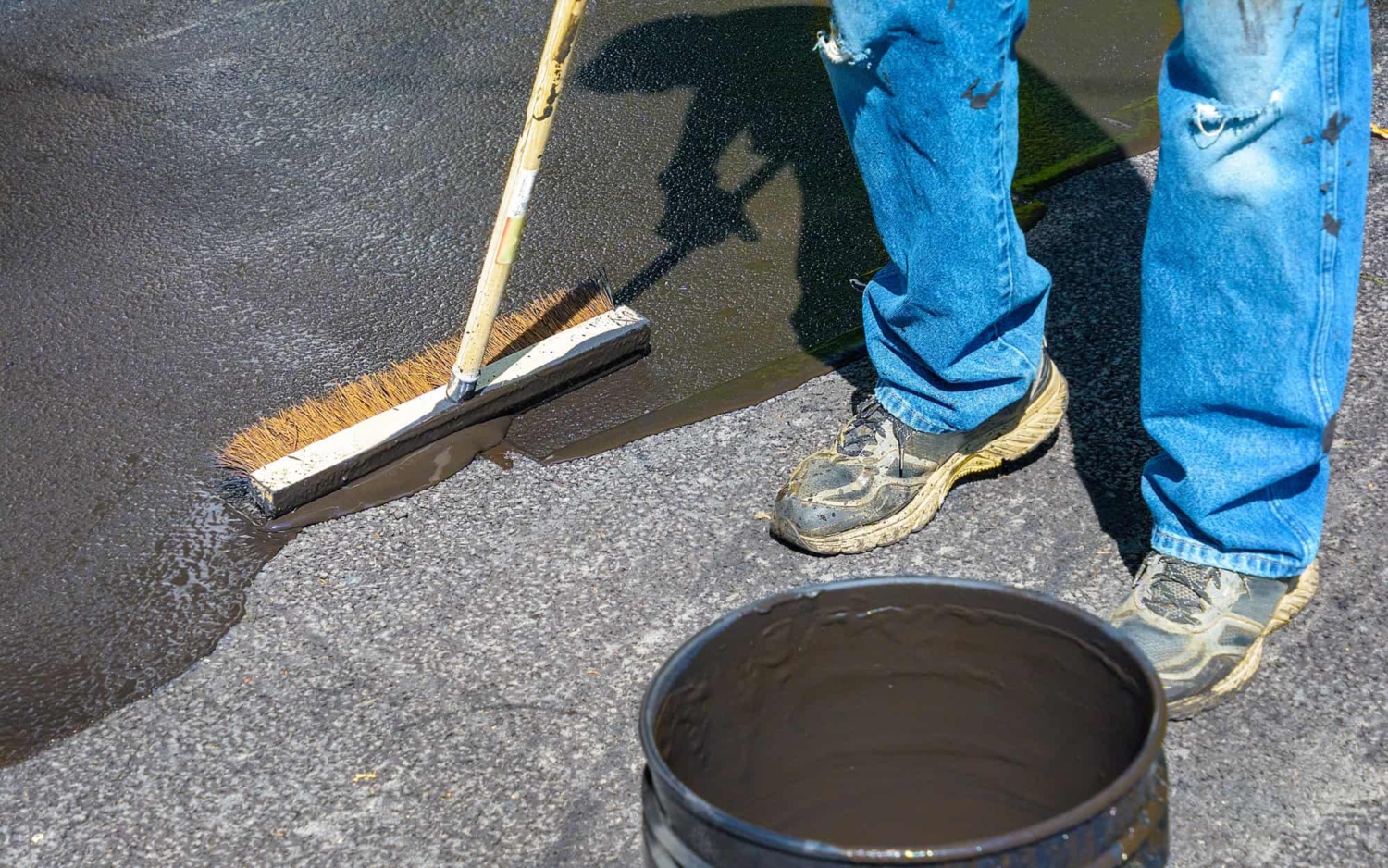 Your driveway is used every day by people you care about. Kids ride scooters and bikes, grandparents step carefully to the car, and visitors carry packages to your door. Small flaws that seem harmless at first can turn into real risks.
Discover why asphalt resurfacing for safety gives homeowners a practical way to remove hazards, improve traction, and restore confidence in one of the most traveled areas of the property.
Why Driveway Condition Matters for Household Safety
A driveway connects the street to your home, making it crucial for everyday safety. Cracks, dips, loose gravel, and faded markings can all create risks that are easy to overlook. Kids running to meet friends, seniors walking with mobility aids, and delivery drivers stepping out of vans all depend on a stable, even surface to stay safe. Over time, wear and tear makes the driveway less predictable and increases the chance of accidents.
A well-maintained driveway reduces falls, protects vehicles from damage, and provides a calmer, more welcoming arrival for family and guests. Understanding how problems develop and what to do about them is the first step to keeping this important space safe year-round.
Driveway Tripping Hazards: What Makes Surfaces Risky?
Asphalt ages due to sun, rain, and freeze-thaw cycles. These conditions create small imperfections that worsen with time, leading to dangerous driveway tripping hazards. Identifying these hazards early makes it easier to fix them before they cause injury.
How Cracks Create Everyday Trip Risks
Cracks start small but widen under pressure from vehicles and changing weather. Thin hairline cracks collect sand and debris, making them slippery. Larger cracks form uneven lips that catch shoes, walker wheels, and bike tires, turning a clear path into an obstacle course. Left untreated, they multiply across the surface.
Sealing cracks promptly and resurfacing cracked areas eliminates height changes, restores smoothness, and prevents accidents.
Why Potholes and Edge Breaks Are Especially Dangerous
Potholes form when water seeps into the pavement, weakens the base, and causes the surface to break. Even shallow holes can twist ankles or stop strollers abruptly. Crumbling edges near walkways create sudden drop-offs that increase fall risk. Filling and resurfacing these areas creates level, secure footing, reduces surprise slips, and protects everyone who uses the driveway.
Visibility, Markings, and Nighttime Safety
Poor lighting, faded paint, and uneven coloring make driveways harder to navigate safely, especially at dusk or in the rain. Freshly resurfaced asphalt provides contrast and clarity. High-visibility markings guide steps and wheels. These small improvements reduce confusion and accidents, particularly for kids and seniors.
What’s the Safest Surface for Walking or Playing on a Home Driveway?
Families need a driveway that balances smoothness, traction, and durability. Asphalt offers all three, creating a forgiving surface for children and seniors alike. A resurfaced asphalt driveway levels imperfections and improves grip, reducing the chance of trips and slips in all weather conditions.
This combination of even texture and reliable traction is essential for safe play, daily walks, and easy access for mobility aids. Choosing resurfacing over repairs alone ensures a consistently safe surface throughout the entire driveway.
How Asphalt Resurfacing for Safety Works (and Why It’s Effective)
Resurfacing adds a fresh layer of asphalt over a stable base, sealing cracks, filling dips, and creating an even slope. Contractors clean and repair the surface before adding the new material, ensuring it bonds well and lasts.
This process removes trip hazards, improves drainage, enhances visibility, and gives the driveway a uniform texture. The result is a safer walking and playing area for all ages, achieved quickly and without the cost of full replacement.
Can Resurfacing Remove Trip Hazards and Reduce Liability?
Resurfacing reduces accidents by eliminating uneven surfaces and adding clear visual cues. This protects loved ones but also lowers the chance of liability for injuries on your property. Leveling dips, sealing cracks, and marking edges are proactive steps that improve safety and prevent legal or medical costs later.
Year-Round Safety Tips to Keep a Resurfaced Driveway in Great Shape
Maintaining your driveway after resurfacing ensures long-term safety. Regular inspections help spot new cracks or lifting edges. Sweeping away grit and leaves keeps the surface clean. Using de-icing products that are safe for asphalt prevents ice buildup. Addressing drainage issues stops water pooling and refreezing hazards.
Small efforts throughout the year protect your investment and keep your driveway hazard-free.
When Resurfacing Isn’t Enough (and What to Do Instead)
Resurfacing works best on driveways with a solid base. If structural issues like deep potholes, major cracks, or severe drainage problems are present, rebuilding the base may be necessary for lasting safety. A professional inspection identifies whether resurfacing or replacement is the better choice.
Transform risky driveways into smooth, secure surfaces with asphalt services from Phillips Paving. Contact Us Today.
How Asphalt Resurfacing for Safety Supports Kids’ Play and Seniors’ Mobility
Resurfacing improves daily life for everyone using the driveway. Kids gain a flat, predictable area for bikes and games. Seniors enjoy stable footing and clearer visibility. Fresh striping separates play spaces from vehicle paths. Smooth transitions between surfaces reduce missteps.
Cost, Timing, and What to Expect During Resurfacing
Most residential resurfacing projects finish within one to two days. Costs vary by driveway size and condition. Resurfacing is far less expensive than replacement. Expect clear instructions on when you can use the driveway again and how to maintain the new surface for long-lasting safety benefits.
Get a Safer Driveway With Phillips Paving
Your home should feel safe from curb to door. Phillips Paving offers expert asphalt resurfacing for safety. We remove hazards, improve drainage and visibility, and create a safe driveway for kids, seniors, and every visitor. Discover how our asphalt services can enhance your driveway, making it a durable, hazard-free surface built to last.
DIY vs. Professional Asphalt Resurfacing: What You Should Know
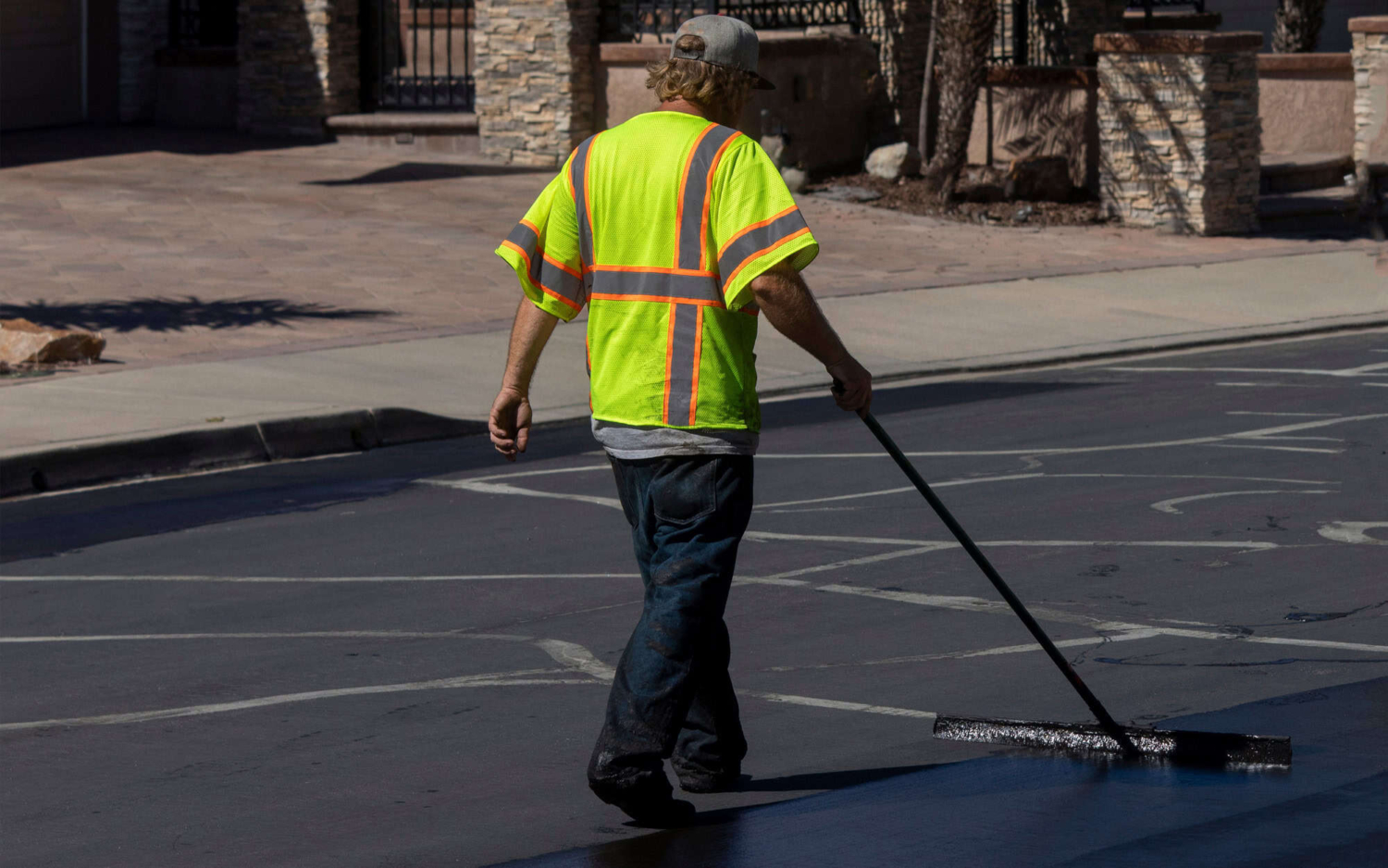 Your driveway plays a big role in your home’s curb appeal and value. When it starts to show wear, many homeowners wonder whether to tackle resurfacing themselves or call in the pros. At Phillips Paving, we want you to make the most informed choice so you avoid costly driveway repair mistakes and protect your investment.
The Appeal of DIY Driveway Resurfacing
DIY driveway resurfacing often seems tempting for homeowners looking to save money or complete a weekend project on their own. With hardware stores selling resurfacing kits and countless online tutorials promising quick fixes, it’s easy to believe you can achieve professional-looking results with minimal effort.
For many, it feels like a way to take control of home maintenance, skip labor costs, and boost satisfaction by handling improvements firsthand. However, resurfacing a driveway is far more complex than painting a fence or planting a garden, and that complexity can lead to problems down the road.
The Risks of DIY Asphalt Resurfacing
While DIY might sound appealing at first, homeowners need to understand the serious risks involved in attempting to resurface an asphalt driveway without professional training or experience.
Here’s what you could run into.
Properly preparing the existing driveway is critical to ensure the new asphalt layer bonds correctly. This involves cleaning, filling cracks, and sometimes patching or leveling areas that have sunk. Many DIY attempts skip or rush these steps, which means the resurfaced layer can peel, crack, or fail prematurely, turning what seemed like a money-saving project into a fast track to a complete replacement.
Inadequate Equipment and Materials
Resurfacing asphalt isn’t just about spreading a new layer. Commercial-grade equipment is required to achieve the right compaction and thickness. DIY resurfacing kits or rented tools rarely match the power and precision of what the pros use. The result is often uneven coverage that looks patchy and doesn’t last. Without the proper tools, even well-intentioned homeowners risk significant driveway repair mistakes.
Shorter Lifespan and More Repairs
Because DIY jobs often involve less thorough preparation and inferior compaction, the new surface typically doesn’t last as long. Small errors during installation can lead to moisture infiltration, cracking, and potholes, which ultimately force homeowners to pay for resurfacing again much sooner, or worse, invest in a costly full replacement. These risks highlight why hiring an asphalt resurfacing expert is so important.
The Benefits of Investing in Professional Asphalt Resurfacing
Unlike DIY attempts, professional asphalt resurfacing provides homeowners with expert results that protect their property’s value and appearance. When you partner with Phillips Paving, you get the advantages of years of experience and the best tools in the industry.
Superior Workmanship and Techniques
Professional paving teams understand how to properly assess your driveway’s condition and identify problems that might require extra care. They use time-tested techniques and quality materials to ensure the new asphalt layer bonds flawlessly and stands up to traffic and weather. This level of workmanship simply isn’t possible with DIY approaches.
Long-Lasting Results
With thorough preparation, the right equipment, and expert application, professional asphalt resurfacing can last 8 to 15 years, often longer with good maintenance. By contrast, DIY resurfacing might begin showing failures within a couple of seasons. When durability matters, trusting professionals ensures fewer headaches and lower costs in the long run.
Less Hassle and Greater Peace of Mind
Resurfacing is messy, physically demanding work that requires precise timing and coordination. Hiring professionals means you avoid the stress of figuring out tricky steps yourself, risking mistakes, or spending your weekends on backbreaking labor. With a team like Phillips Paving, the job is completed efficiently and correctly, so you can enjoy a flawless driveway without worry.
Skip the risks of DIY and choose Phillips Paving’s professional asphalt resurfacing for expert results that protect your driveway and your investment. Contact Us Today
The Price of DIY Kits and Tools
Basic DIY resurfacing kits might cost a few hundred dollars, with additional expenses for rented compactors or sprayers. However, these materials often fall short in quality, and without professional expertise, homeowners risk needing frequent patches or redoing the job entirely. In the worst cases, DIY errors compromise the foundation, forcing a full replacement far sooner, turning that initial “savings” into a major unexpected bill.
[/av_textblock]
[/av_one_full]
The Value of Professional Asphalt Resurfacing
Professional asphalt resurfacing costs more upfront, usually ranging from $2 to $4 per square foot, depending on location and driveway condition, but it’s a wise investment. You get high-quality materials, advanced equipment, and experienced crews who stand behind their work. With a longer lifespan and fewer follow-up repairs, professional work often proves more cost-effective over the driveway’s life.
Plus, companies like Phillips Paving offer guidance on maintenance that helps protect your investment even further.
Which Resurfacing Method Is Best?
Ultimately, deciding between DIY and professional work depends on your driveway’s condition, your budget, and your comfort with risk. Here’s when each approach makes sense.
When DIY May Be Acceptable
Small patching jobs or very light resurfacing on structurally sound, newer driveways might be manageable as a DIY weekend project. If you’re simply filling minor cracks or applying a protective sealcoat, some homeowners handle these tasks with decent success. Still, it’s wise to consult a professional for an inspection to ensure no hidden issues exist before proceeding.
When You Should Hire a Professional
For most resurfacing projects, especially where cracks, uneven areas, or drainage problems are present, hiring a professional is the clear choice. Complex jobs demand an asphalt resurfacing expert who can identify underlying concerns and use commercial-grade tools for lasting results. Homeowners looking to maximize lifespan, curb appeal, and property value will almost always be better served by choosing professional asphalt resurfacing from a trusted company like Phillips Paving.
Schedule a Professional Asphalt Resurfacing With Phillips Paving
Choosing between DIY and professional work isn’t just about cost. It’s about protecting your property and avoiding expensive mistakes. At Phillips Paving, we bring years of expertise, top-tier equipment, and a commitment to excellence that ensures your driveway looks beautiful and stands the test of time.
If you’re ready to enhance your curb appeal and safeguard your investment with professional asphalt resurfacing, reach out to Phillips Paving today for a consultation and see how hassle-free it can be to get flawless, long-lasting results.
Eco-Friendly Driveway Solutions: The Environmental Benefits of Asphalt Resurfacing
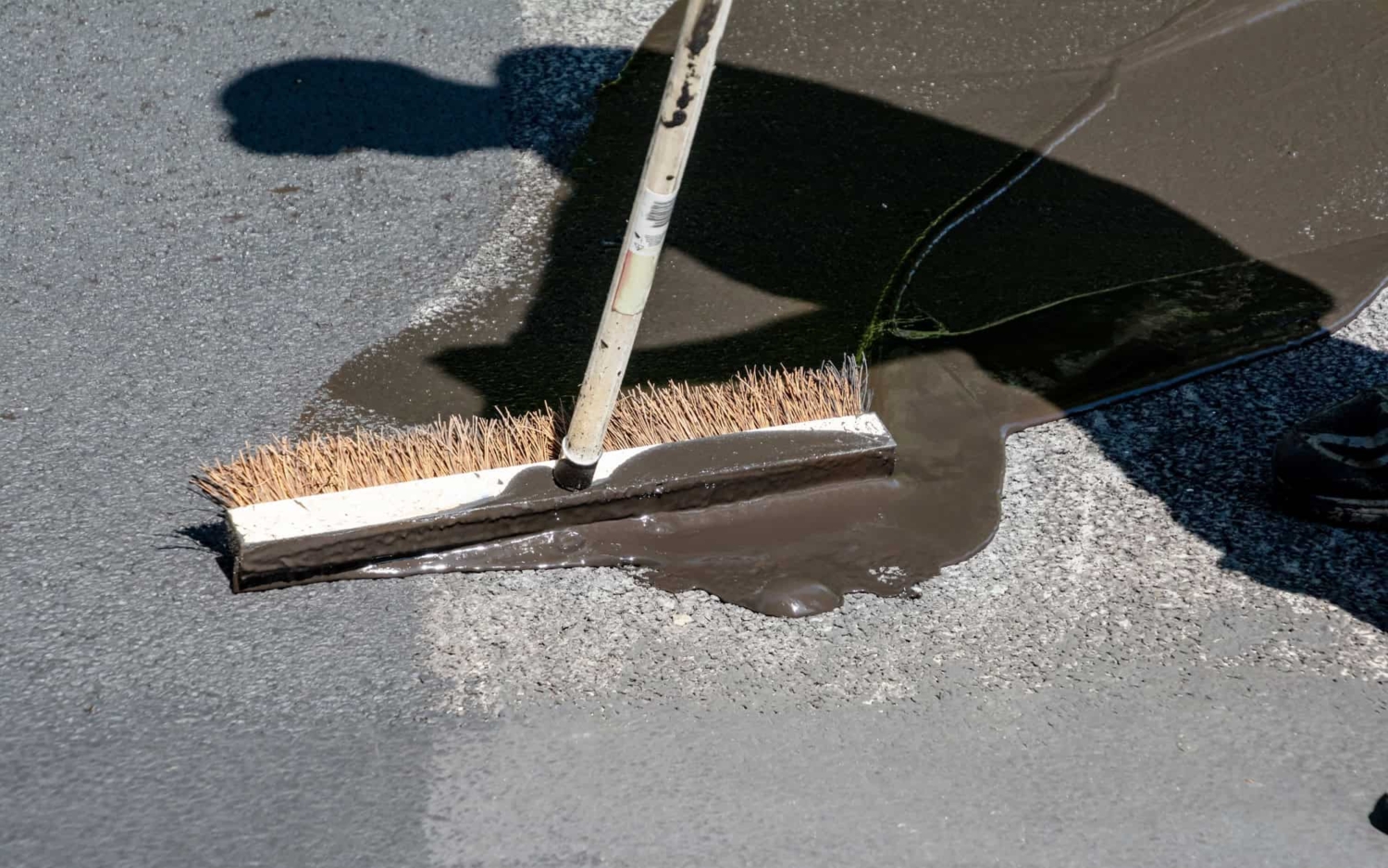 More homeowners today are searching for ways to reduce their environmental impact without sacrificing the beauty or durability of their properties. Choosing eco-friendly driveway solutions is one simple yet powerful way to live more sustainably. At Phillips Paving, we believe asphalt resurfacing is a smart choice for anyone who wants to protect both their investment and the planet.
The Importance of Eco-Friendly Driveway Solutions
Driveways are often overlooked when it comes to going green, but they shouldn’t be. Your driveway covers a significant portion of your property, and how you maintain or upgrade it can directly impact the environment. From reducing landfill waste to lowering energy use, eco-friendly driveway solutions help minimize your carbon footprint while still providing a safe, attractive surface for your home.
Making environmentally conscious decisions about your driveway is a practical step toward sustainable living that benefits your household and the community.
The Eco-Friendly Benefits of Asphalt Resurfacing
If you’re exploring eco-friendly driveway solutions, resurfacing stands out as a top option. Unlike a full replacement, which involves tearing out and discarding the entire old driveway, resurfacing works with what’s already there, reducing resource use, waste, and emissions. At Phillips Paving, we recommend resurfacing whenever possible to deliver a solution that’s both effective and environmentally responsible.
Uses Fewer Raw Materials
Resurfacing builds upon your existing driveway foundation instead of starting from scratch. This means fewer new materials are needed, reducing demand on quarries and asphalt plants. By preserving the solid base underneath, resurfacing drastically cuts down on the amount of fresh aggregate and asphalt required, conserving natural resources. This lighter environmental footprint is one of the core reasons why resurfacing is a standout among eco-friendly driveway solutions.
Produces Less Waste
A full driveway replacement generates tons of waste that must be hauled to landfills. Resurfacing, however, keeps most of your existing driveway intact. Only damaged areas are patched before the new layer is applied. This approach significantly reduces construction debris and keeps usable materials out of the waste stream, helping minimize landfill impact and contributing to cleaner communities.
Reduces Energy Consumption
Manufacturing, transporting, and installing entirely new asphalt surfaces require substantial energy. Heavy machinery must remove old pavement, transport debris, and prepare the site, all while burning fossil fuels. Resurfacing involves fewer machine hours and uses much less fuel, lowering greenhouse gas emissions. Homeowners who opt for resurfacing over replacement effectively choose a driveway upgrade that demands less energy overall, making it a leader in eco-friendly driveway solutions.
Extends Existing Infrastructure Lifespan
Resurfacing lengthens the life of your original driveway infrastructure by strengthening and preserving what’s already in place. This delays the need for a complete tear-out and replacement by many years. At Phillips Paving, we help homeowners keep their surfaces structurally sound and attractive for longer, which reduces the frequency of major construction and all the environmental impacts that come with it.
Supports a Sustainable Home Investment
For eco-conscious homeowners, it’s not just about looking green, but about long-term sustainability. Resurfacing improves your property’s safety and appearance while aligning with your environmental values. You’ll enjoy a driveway that looks brand new without the heavy resource demands of new construction, proving that sustainable driveway maintenance is entirely possible.
Learn how Phillips Paving’s resurfacing solutions can boost your home’s curb appeal while delivering the environmental benefits of asphalt resurfacing. Contact Us Today
The Role of Asphalt Recycling
Recycling plays a pivotal role in making asphalt one of the most sustainable paving materials on the market. Asphalt recycling benefits both the environment and homeowners by reducing waste, conserving raw materials, and lowering costs. At Phillips Paving, we’re proud to work with recycled asphalt mixes whenever possible to maximize environmental gains for our clients.
Keeps Old Asphalt Out of Landfills
Asphalt is 100% recyclable, meaning old surfaces don’t have to end up in dumps. Instead, the material is milled and reused in new paving projects, turning what would be waste into a valuable resource. This process dramatically reduces the volume of debris in local landfills, easing pressure on waste management systems and keeping communities cleaner.
Cuts Down on New Resource Extraction
Using recycled asphalt means less virgin aggregate and binder need to be mined and processed. This saves on the energy and ecological disruption tied to quarrying and production. Homeowners who choose resurfacing with recycled content help conserve important natural resources, making their driveway project a model of eco-friendly driveway solutions.
Lowers Greenhouse Gas Emissions
Recycling asphalt requires less energy than producing brand-new mixes, which helps cut greenhouse gas emissions. By supporting recycling efforts, you reduce the carbon footprint of your driveway installation. This smaller environmental impact doesn’t just benefit your property. It contributes to broader climate change efforts, proving that individual choices matter.
More Affordable and Durable Over Time
Recycled asphalt is often more cost-effective, providing a financial incentive for homeowners to go green. Plus, it can be mixed to meet high durability standards, ensuring your resurfaced driveway stands up to weather and traffic. Phillips Paving uses quality recycled materials to give you an eco-friendly driveway that performs beautifully for years.
Tips for Making a More Sustainable Driveway
While resurfacing and recycling are powerful steps, there are other ways to create a driveway that’s easier on the environment. A few thoughtful decisions can turn any project into a leader in eco-friendly driveway solutions.
- Sealcoat With Environmentally Friendly Products: Choose sealants that are low in volatile organic compounds (VOCs). They protect your driveway from water and sun damage while minimizing harmful emissions that affect air quality.
- Maintain Proper Drainage: Good drainage prevents erosion and water pooling, which can weaken your driveway and require premature resurfacing. Installing eco-friendly drainage solutions like permeable borders helps protect local waterways from runoff.
- Clean Spills Quickly: Motor oil and chemicals can seep into asphalt, harming both the driveway and the surrounding soil. Keeping your surface clean not only extends its life but also prevents toxins from leaching into the ground.
- Keep Up With Minor Repairs: Filling cracks and fixing small problems early reduces the need for large-scale repairs later. This extends your driveway’s lifespan, conserving resources by delaying new resurfacing work.
- Work With a Contractor Who Prioritizes Sustainability: Partnering with an environmentally conscious team like Phillips Paving ensures that materials, processes, and waste handling are all done using eco-friendly practices.
Choosing even a few of these approaches supports an attractive, durable, and environmentally responsible driveway. Together, they make your home a model for eco-friendly driveway solutions in your neighborhood.
How Often Should You Resurface Your Asphalt Driveway?
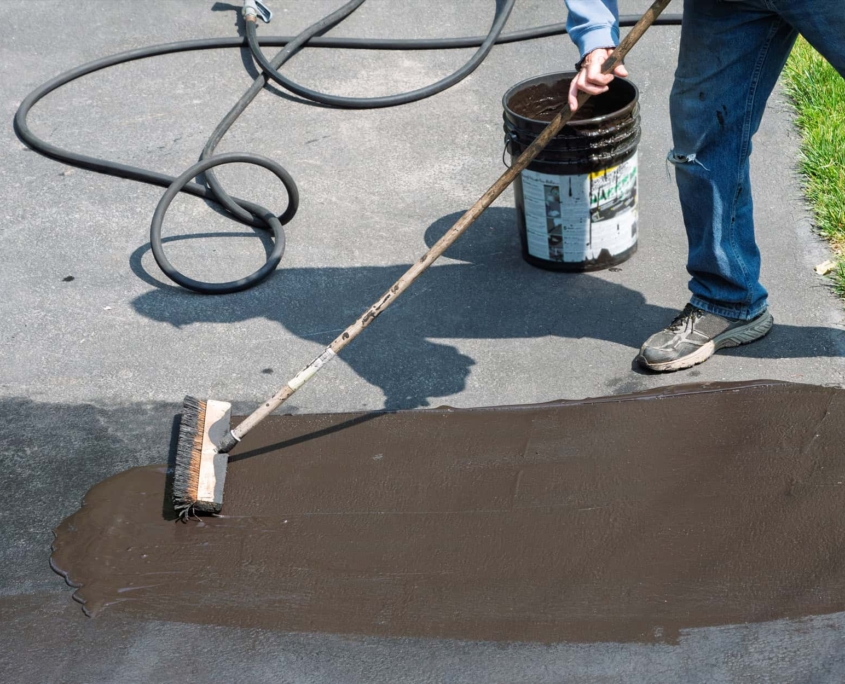 Keeping your driveway in excellent shape is more than just about curb appeal. It’s about protecting your investment and avoiding costly replacements. Knowing when to resurface your asphalt driveway is one of the smartest ways to extend its life and save money. Let’s take a closer look to understand how often to resurface, what impacts that timeline, and how to keep your asphalt looking and performing its best.
How Long Does a Resurfaced Driveway Last?
On average, a resurfaced asphalt driveway can last 8 to 15 years before it needs to be resurfaced again, assuming it was built on a stable foundation and properly maintained. This typical timeline is influenced by local climate, how much use it gets, and how diligently homeowners handle upkeep.
To protect the lifespan of asphalt, experts recommend evaluating the condition of your driveway every few years and planning to resurface about every decade. Staying ahead of major damage by resurfacing on this schedule helps avoid the much greater cost of a complete replacement.
Influential Factors in the Lifespan of Asphalt
While there’s a general timeline for how often to resurface your asphalt driveway, several key factors can shorten or extend that period. Understanding what plays into the wear and tear on your driveway helps you plan smarter and catch problems early.
Traffic and Load Weight
How much weight and daily traffic your driveway supports has a major impact on how quickly it wears down. Driveways used by large SUVs, RVs, delivery trucks, or trailers endure much heavier loads than those used by compact cars. Concentrated pressure from parking in the same spot repeatedly causes stress cracks and small indentations.
Over time, these weaknesses expand, forcing you to resurface your asphalt driveway far sooner than a lighter-use driveway would require.
Climate and Weather Conditions
Extreme weather is one of the biggest threats to your asphalt driveway. In colder regions, freeze-thaw cycles repeatedly expand and contract the surface, opening cracks that invite water below. Hot, sunny climates soften asphalt, making it more prone to ruts and warping under weight. Heavy rain can wash away support layers underneath.
All these conditions shorten how long you can wait before needing to resurface your asphalt driveway, demanding more frequent attention in harsh climates.
The older your driveway, the more likely it is to develop issues that push up the resurfacing schedule. But age isn’t the only concern, as the quality of the original installation matters just as much. A driveway built with an inadequate base, thin asphalt, or poorly compacted materials may show serious problems after just a few years.
These structural weaknesses reduce how well the driveway holds up under resurfacing and how long it lasts before needing new work.
Maintenance History
Routine driveway maintenance is important for maximizing the time between resurfacing. Homeowners who regularly sealcoat, clean, and repair their driveways see far fewer cracks and less surface aging. By contrast, driveways neglected for years develop oxidized, brittle surfaces that crack and erode faster.
Without proactive care, water and UV rays quickly break down asphalt, accelerating the need to resurface your asphalt driveway and shortening the expected lifespan of your investment.
Drainage and Water Management
Water is one of asphalt’s worst enemies. If your driveway doesn’t slope properly or lacks good drainage, water pools on the surface and seeps underneath. This weakens the foundation, washes away essential support layers, and causes cracks to widen. Over time, these hidden problems force homeowners to resurface their asphalt driveway far sooner than expected.
Installing or maintaining proper drainage helps protect your asphalt’s integrity and is crucial to the long-term lifespan of asphalt surfaces.
Discover how long your resurfaced asphalt driveway could last by learning more about the typical lifespan and what factors affect its durability. Contact Us Today
Tips for Extending the Lifespan of Your Asphalt Driveway
While you can’t control the weather or the age of your driveway, there are many proactive steps you can take to delay your next resurfacing project. Simple, consistent care preserves your asphalt for as long as possible.
Sealcoat Regularly
Sealcoating is one of the best protective measures you can take. It shields your driveway from UV rays, water penetration, and oil spills. Applying a fresh seal coat every 2-3 years can add years to the life of the surface, pushing back the time you’ll need to resurface your asphalt driveway.
Keep It Clean and Debris-Free
Leaves, dirt, and oil stains don’t just look bad, they break down the asphalt binder over time. Sweep your driveway often and clean up spills quickly to protect the surface. This simple habit reduces the risk of staining and small cracks that expand into larger problems.
Repair Minor Cracks Promptly
Even tiny cracks invite water beneath the surface, where it can cause substantial damage. Fill small cracks as soon as they appear to prevent them from spreading. Addressing minor issues quickly helps maximize the time before you’ll have to resurface your asphalt driveway again.
Be Mindful of Heavy Loads
Try to avoid parking heavy vehicles or equipment in the same spot for extended periods. Distributing weight more evenly helps prevent depressions and keeps the asphalt from wearing out prematurely.
Improve and Maintain Drainage
Ensure your driveway slopes properly and that gutters and downspouts direct water away. If you notice pooling after rain, consider grading adjustments or installing drainage solutions to protect the base layers and extend surface life.
Signs You Need to Resurface Your Asphalt Driveway
Sometimes, despite your best efforts, environmental or structural factors shorten the lifespan of asphalt. Recognizing when your driveway needs attention ensures you resurface before small issues turn into big costs.
Widespread Surface Cracks: Numerous cracks across your driveway indicate the top layer is failing and needs restoration.
Visible Potholes: Potholes let water reach deeper layers, compromising the base and demanding prompt resurfacing.
Fading Color and Texture: Asphalt that’s lost its rich black color and turned gray is oxidized and vulnerable to cracks.
Drainage Problems: Pooling water signals drainage failures that can shorten the time until resurfacing is needed.
Previous Resurfacing Wearing Thin: If it’s been more than a decade since the last overlay, the surface may be nearing its limit.
If you notice these warning signs, don’t wait. Delaying resurfacing could mean minor repairs turn into full-scale replacement projects, which will cost far more and require longer disruptions.
Resurface Your Asphalt Driveway With Phillips Paving
Resurfacing on the right schedule is the best way to protect your investment, keep your property looking great, and avoid early replacement costs. Whether your driveway is overdue or you simply want an expert opinion on its condition, Phillips Paving is here to help. We’ll assess your driveway, recommend the best solutions, and provide skilled resurfacing services that maximize the lifespan of asphalt and your peace of mind.
Ready to bring new life to your driveway? Contact Phillips Paving today and see how easy it is to restore and protect your pavement for years to come.
Assessing the Lifespan of Asphalt Resurfacing: What Homeowners Should Expect
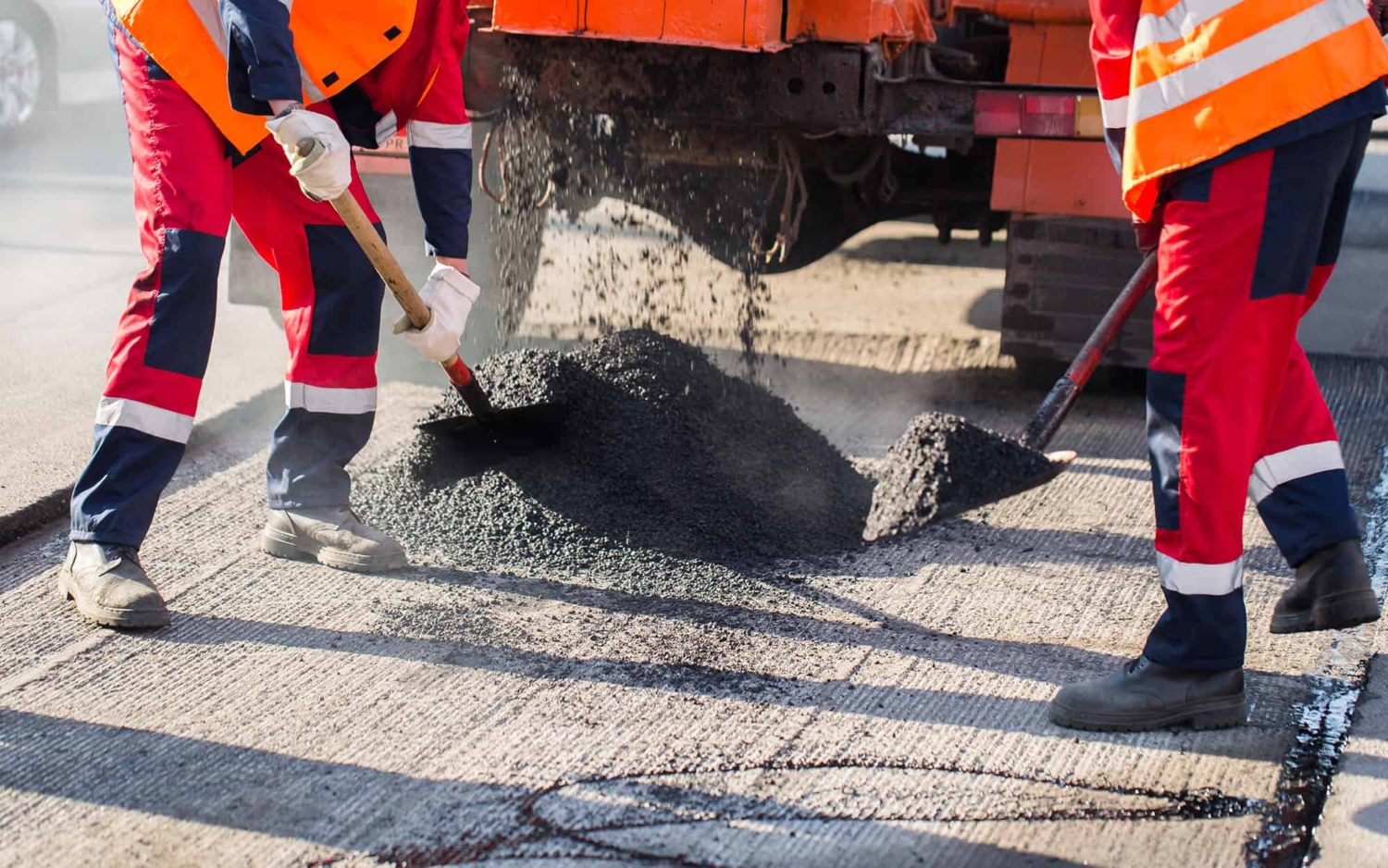 Asphalt resurfacing is an excellent way to restore your driveway’s appearance and performance without undergoing a full replacement. But how long can homeowners realistically expect those results to last? Let’s explore the lifespan of asphalt resurfacing, the key factors that impact it, and the steps you can take to protect your investment for years to come.
Understanding Asphalt Resurfacing Longevity
The average lifespan of asphalt resurfacing typically ranges from 8 to 15 years, depending on various conditions. Unlike full replacement, resurfacing is designed to restore the top layer of your driveway while relying on the existing foundation. When applied to a stable, damage-free base, this method can provide homeowners with a durable, attractive surface at a fraction of the cost.
However, its longevity isn’t guaranteed by default—it depends heavily on weather, usage, and maintenance. Understanding resurfacing longevity helps homeowners manage expectations and take the necessary steps to extend your asphalt’s lifespan. With the right care, a resurfaced driveway can serve you well for over a decade.
What Factors Affect the Lifespan of an Asphalt Driveway?
While resurfacing provides a fresh look and smoother surface, several variables influence how long it may last. Understanding these factors helps homeowners manage expectations and make informed decisions when evaluating the value and durability of resurfacing services.
Climate and Weather Conditions
Asphalt is sensitive to the elements. Hot climates can cause softening and deformation, while freeze-thaw cycles in colder areas can lead to cracking and deterioration. Water infiltration from heavy rain or snowmelt accelerates wear by eroding the surface and damaging the sub-base. Homes in regions with extreme temperature swings should pay extra attention to routine maintenance to help preserve the lifespan of asphalt resurfacing.
Quality of the Base Layer
Resurfacing relies on the strength and stability of the existing foundation. If the underlying base is compromised, resurfacing may mask the issue temporarily, but it won’t prevent failure. A strong base promotes even weight distribution, supports heavy loads, and minimizes cracking. Before applying a new surface, experts carefully inspect each driveway to confirm the base is sound and suitable for resurfacing.
Traffic Load and Vehicle Weight
Driveways that support heavy vehicles, trailers, or high traffic volumes are at greater risk for surface stress and degradation. Consistent pressure in the same area can lead to premature rutting or surface fatigue. While resurfacing can handle residential traffic, homeowners should limit the weight of parked vehicles to help preserve surface integrity and promote a longer resurfacing longevity overall.
Drainage and Water Management
Poor water drainage is one of the leading causes of asphalt deterioration. Standing water can seep into tiny cracks, freeze in cold weather, and expand, damaging the structure from within. Effective grading and drainage systems prevent pooling and help maintain a driveway’s strength. Homeowners should ensure that downspouts and slopes redirect water away from the asphalt to safeguard the lifespan of asphalt resurfacing.
Craftsmanship and Materials Used
The quality of materials and workmanship used during resurfacing plays a direct role in how long the new surface lasts. High-grade asphalt, proper compaction, and expert application techniques all contribute to longer-lasting results. That’s why partnering with a trusted paving contractor like Phillips Paving is critical. Our experienced crew uses only premium materials and proven processes to ensure long-term driveway performance.
Pre-Existing Surface Damage
The condition of the driveway before resurfacing also matters. If large cracks, potholes, or structural issues exist and aren’t addressed first, they can quickly resurface and reduce durability. Proper patching and leveling are required before applying the new layer to promote even wear. Ignoring pre-existing problems could shorten the lifespan of asphalt resurfacing and lead to early deterioration.
Explore Phillips Paving’s asphalt resurfacing services to give your driveway a smooth, long-lasting finish that stands the test of time. Contact Us Today
How to Extend Your Asphalt Driveway’s Longevity
You can’t control every factor that affects your resurfaced driveway, but consistent care and smart planning go a long way. Here are key practices homeowners can follow to extend their asphalt’s lifespan and get the most from their resurfacing investment.
Schedule Regular Sealcoating
Sealcoating protects your driveway from sun damage, oxidation, moisture, and chemicals like oil or gasoline. A fresh coat acts as a barrier that preserves the surface and enhances appearance. Homeowners should reseal their driveways every 2–3 years, depending on climate and wear. Sealcoating helps extend the lifespan of asphalt resurfacing and also improves traction and curb appeal year-round.
Keep the Surface Clean and Clear
Dirt, leaves, and vehicle fluids can break down asphalt binders over time. Regular sweeping and cleaning remove debris that might trap moisture or cause surface staining. Promptly cleaning up oil spills and power washing once or twice a year also helps preserve the surface. Maintaining a clean driveway is one of the easiest and most effective ways to support long-term driveway care.
Repair Small Cracks Quickly
Even a well-resurfaced driveway can develop small cracks from shifting temperatures and use. The key is addressing them early before they expand. Using crack filler or patching material at the first sign of wear keeps water out and prevents deeper damage. Homeowners who make this a routine part of maintenance can significantly increase the resurfacing longevity of their asphalt.
Avoid Heavy Vehicle Pressure
While resurfaced asphalt can handle most passenger vehicles, heavy machinery, construction equipment, or large trailers can cause premature wear. If you must use these on your driveway, rotate their parking position and avoid leaving them stationary for long periods. Managing weight stress preserves surface strength and reduces the chance of cracking or indentations.
Improve and Maintain Drainage
Ensure your driveway is graded to slope away from structures and allow water to flow freely. Adding drainage channels, French drains, or gravel borders can help move water away from the surface. Addressing drainage issues early is one of the most effective ways to protect both your driveway’s surface and its base, helping to extend the lifespan of asphalt resurfacing well into the future.
Choose a Reputable Paving Contractor
The longevity of your resurfacing project depends on the team behind the work. An experienced paving company will conduct a full inspection, address foundational issues, and apply the new asphalt correctly. At Phillips Paving, we combine top-tier materials with expert application to ensure you receive a smooth, reliable driveway that holds up for years with minimal maintenance.
Ensure Proper Driveway Care With Phillips Paving
The lifespan of asphalt resurfacing depends on everything from climate to craftsmanship, but smart homeowners can make theirs last. By understanding the factors that impact durability and taking proactive steps to protect your driveway, you can enjoy the benefits of a smooth, functional surface for years.
Phillips Paving is here to help you get the most out of your investment with professional resurfacing, maintenance advice, and top-tier service. Contact us today to learn more about long-lasting driveway care and explore the best solutions for your home.